
Parental Involvement: Supporting Your Child's Reading Comprehension Practice
Janel Nansenn · Aug 15, 2025

Let’s be honest, reading with kids can feel a little like trying to dance while balancing a cup of tea on your head. You want to help, but you're not exactly sure how to step in without stepping on their toes.
And when it comes to improving their reading comprehension skills? That’s not just about sounding out words. It’s about understanding them, feeling them, connecting with them, turning squiggly black letters on a page into real people, real emotions, real stories.
Now here’s the kicker: a child doesn’t just magically develop this skill on their own. Parental support in reading comprehension can be the difference between a kid who reads the words and a kid who gets the story.
That’s where we come in, not as experts or critics, but as partners in the journey.
So, What Does “Support” Even Mean Here?
No one’s asking you to be a literary professor. This isn’t about dissecting metaphors in Charlotte’s Web (unless that’s your thing).
Supporting your child means being present. It means creating an atmosphere where books aren’t chores, they’re adventures.
You can start small. Ask a simple question while your child reads, like “Why do you think she did that?” or “What do you think happens next?”
Using these questioning techniques encourages your child to think beyond the words on the page and nudges them to think beyond the text. They stop reading at the story and start reading into it.
And that, my friend, is where the magic starts.
Also, don’t just ask questions. Listen. Sometimes your child’s interpretation might be different from yours. And that’s okay. It’s actually better than okay, it means they’re processing the text through their lens. That’s gold.
Consistency, Not Perfection
You don’t need a Pinterest-worthy reading corner or a 12-step nightly literacy plan. You just need consistency. Ten minutes a day is better than an hour once a week. Kids thrive on routines, whether they admit it or not.
Maybe it’s a few pages before dinner. Maybe it’s a comic book on the porch on Saturdays. Maybe it’s listening to an audiobook in the car and chatting about it after. However you fit it in, just make it regular. Make it predictable. Make it yours.

And here’s a little secret: even if your child reads on their own, that doesn’t mean your job is done. Parental support in reading comprehension isn’t just about early readers or struggling readers, it’s about all readers.
Even the ones who burn through books like wildfire still benefit from a parent who says, “Tell me about what you’re reading.”
It's Not Always About The Book
This one might sound weird, but stay with me. Reading comprehension isn’t just about books. It’s about how your child sees the world.
Visualization is closely connected to reading comprehension. You can build those same skills while watching a movie or discussing a video game. Seriously.
Let’s say you’re watching a movie together. Ask, “What do you think the character learned?” or “Why did they act like that?”
That’s comprehension. Or take a walk and tell a story together, one starts, the other continues. That’s sequencing, inference, character building. It’s all connected.
And if they’re into something totally off your radar, maybe it’s Minecraft lore or Pokémon plotlines, don’t dismiss it. Ask about it. Let them explain. Let them teach you. When a child teaches, they process. When they explain, they comprehend.
Making Reading Feel Safe
You know how kids can freeze up when they feel like they’re being tested? Yeah, we don’t want that. If every reading session feels like a pop quiz, they’ll start to dread it.
So, ditch the red pen energy. This isn’t school. Make it safe to guess. Safe to not know a word. Safe to say, “That part didn’t make sense.” And when they do say that? Celebrate it. That’s self-awareness. That’s exactly the muscle we want to build.
A little patience goes a long way. Some days they won’t feel like reading. Some days they’ll want to read the same book five times. Let it happen. Every moment they engage with a story, on their terms, they’re growing.
Encouragement Beats Correction (Almost Every Time)
We all do it. A kid reads a word wrong, and we jump in: “No, it’s pronounced this way.” And sure, there’s a time and place for correction. But too much of it? It shuts things down.
Try praising the effort before fixing the error. “I love how you figured that out,” or “That was a tough sentence, you really stuck with it.” Then, if needed, gently correct.
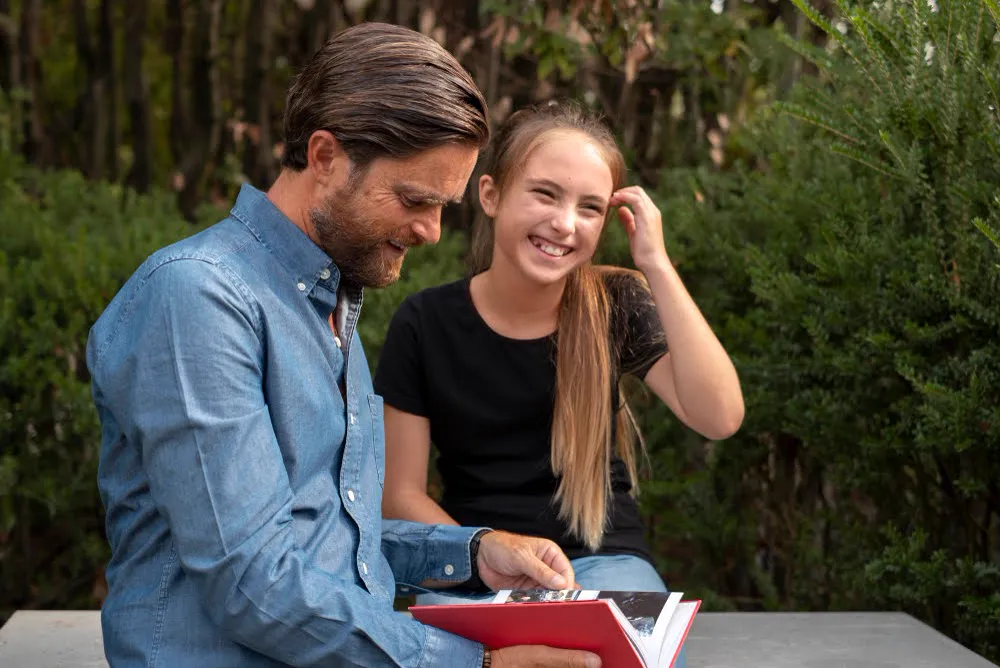
But don’t make it the focus. Let their confidence build first. Correction works best when it’s wrapped in encouragement.
And hey, modeling matters too. Let your child see you read. Talk about the books you like. Mention when a sentence made you stop and think.
This normalizes struggle and curiosity. It makes comprehension feel like a shared human experience, not a solitary task.
Bringing It All Together, Without The Overwhelm
By now, you might be thinking: “Okay, this is great, but how do I actually do all this?” Let me tell you, if you’re already reading this far, you’re doing more than most. You care. You’re curious. That’s the foundation.
Here are a few small, doable things you can try:
Ask open-ended questions during or after reading
Chat about stories you’ve read together during everyday moments (in the car, while cooking, etc.)
Let your child pick the book, even if it’s silly or strange
Keep reading time pressure-free and flexible
Talk with your child, not at them
And remember: progress isn’t always linear. One day, they’ll impress you with deep insight; the next, they might not remember what they just read. That’s okay. That’s normal. That’s growth.
Wrapping It Up With Heart
You don’t need to be a teacher to support your child’s learning. You just need to be present. A little curiosity. A little patience. A lot of listening.
That’s how parental support in reading comprehension becomes part of your family’s rhythm, not a separate task.
And when you’re ready to take that support a step further? Read-a-Rific is here to help. We offer an engaging reading comprehension program designed to make reading not just a skill but a joy. We’re your partner in raising confident, thoughtful readers, one page at a time.
Because sometimes, the best stories aren’t the ones we read. They’re the ones we build, together.
Reach out anytime to learn more about our programs or ask any questions you may have. We’d be happy to help!