
What Is Visualization in Reading Comprehension?
Janel Nansenn · May 4
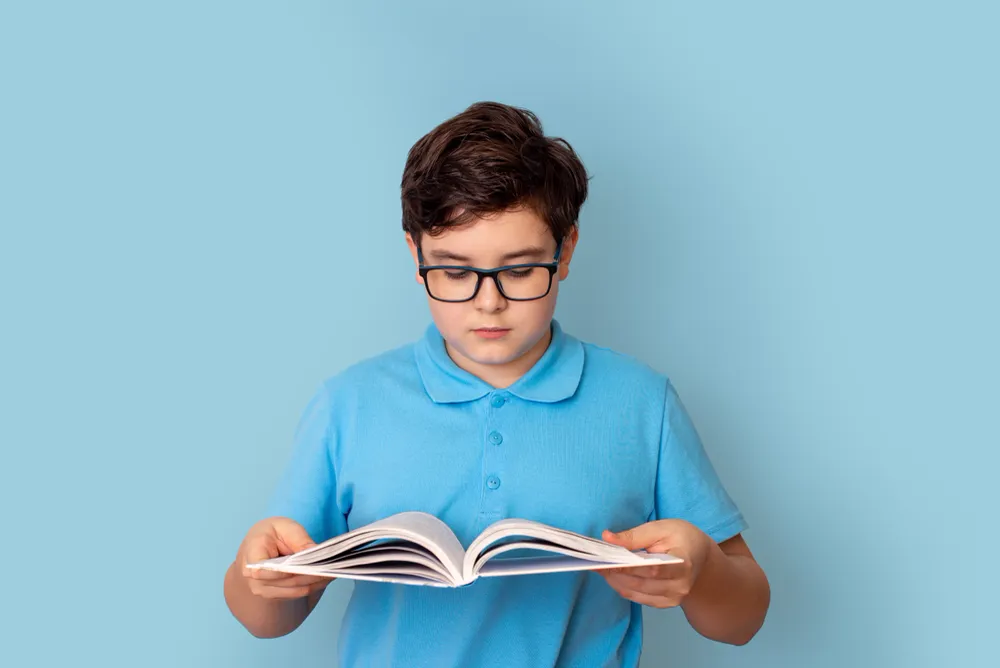
Many children can read a page of text smoothly and accurately. They sound out the words perfectly. Yet, when they reach the end of the page and you ask them what happened, they draw a blank. This happens because there is a missing step between seeing the words on the page and actually making meaning from them. That missing step is often visualization.
Visualization is the brain’s ability to create mental pictures from words. When we read or hear a story, our minds naturally generate a movie to match the details. We see the characters, the setting, and the action. This mental imagery is a foundational skill for understanding any text. If a child does not create these pictures, the words simply remain words, disappearing from memory almost as soon as they are read.
For parents trying to help their children, understanding this missing link changes everything. By looking into reading comprehension programs for elementary students, you can find ways to support your child. But first, it helps to understand exactly what visualization reading comprehension is and why it matters so much for your child's success.
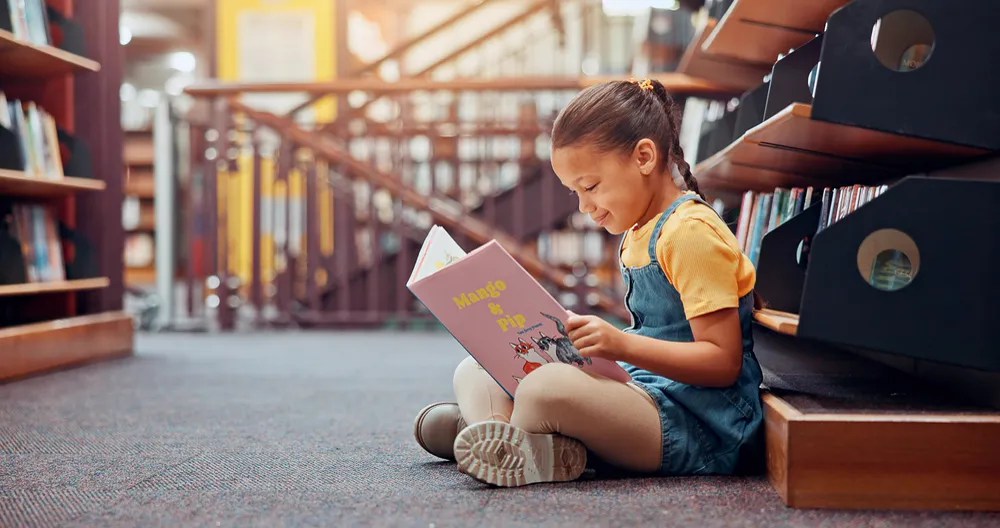
What Visualization Means in Reading Comprehension
When educators talk about reading visualization meaning, they are talking about a specific cognitive process. It is the act of turning language into mental imagery.
Creating Mental Images While Reading
Visualization means making a picture in your mind based on the text. When a child reads about a large brown dog chasing a red ball, their brain should generate a quick image of that exact scene. This mental imagery reading comprehension connection is what makes reading feel like an experience rather than a chore.
Turning Words Into Meaning
Words themselves are just symbols on a page. To make them mean something, the brain has to translate them. Visualization reading comprehension acts as a translator. It takes abstract symbols and turns them into concrete mental pictures that a child can easily understand and relate to.
How Visualization Helps Students Understand
When a student visualizes, they are actively participating in the story. They are not just passively sounding out letters. This visualization strategy reading comprehension process forces the brain to pay attention to the details, the sequence of events, and the relationships between characters.
Why Visualization Is Important for Reading Comprehension
Some children seem to naturally understand what they read, while others struggle. The difference often comes down to mental imagery.
Visualization Helps the Brain Organize Information
A story has many moving parts. There are characters, settings, problems, and solutions. Visualization helps the brain organize this information by placing it into a mental scene. Instead of trying to hold fifty separate words in their working memory, the child holds one cohesive picture.
Mental Images Improve Memory
The human brain remembers pictures much better than it remembers lists of words. When children create mental images while reading, they store those pictures in their memory. Later, when they need to answer a question about the text, they simply recall the picture they created.
Understanding Becomes Clearer
Without pictures, stories can feel confusing and abstract. Visualization helps reading comprehension by making the abstract concrete. If a child can see the story happening in their mind, the motivations of the characters and the sequence of events make logical sense.
What Visualization Looks Like While a Child Is Reading
It can be hard to know what is happening inside a child's mind. However, successful visualization follows a predictable pattern.
Picturing Characters and Settings
A strong reader begins by establishing the scene. If the book describes a dark, rainy forest, the child creates that background in their mind. When the main character is introduced, the child adds them to the scene, complete with the physical traits described by the author.
Imagining Actions in a Story
As the plot moves forward, the mental images change. The child updates their mental movie to reflect the action. If the character runs away from a bear, the mental image shifts from a static picture of a forest to an active chase scene.
Creating Meaning From Sentences
Visualization reading strategy for kids starts small. They take a single sentence and make a picture for it. Then they read the next sentence and change their picture to include the new information. This constant updating of mental imagery ensures they are tracking the meaning of the text.
Building Understanding Step-by-Step
A child who visualizes is building a tower of understanding. Each sentence adds a new block. By the end of the paragraph, they have a complete, sturdy structure. If they miss a step and the picture doesn't make sense, they know they need to stop and reread.
Why Some Students Do Not Visualize Automatically
You might wonder why your child doesn't just make these pictures naturally. The truth is, visualization is a learned skill for many children.
Visualization Is Not Always Natural
Some kids develop this skill without anyone teaching them. Their brains naturally convert language into pictures. But for many students, this translation process does not happen automatically. They see reading purely as a decoding task, sounding out words, without realizing they are supposed to be making a movie in their head.
Students May Read Without Meaning
When a child does not visualize, they often read right past important details. They might read a whole chapter and feel a sense of accomplishment because they pronounced all the words correctly. But because they didn't create mental imagery, they didn't actually read for meaning.
Why Comprehension Becomes Difficult
Without pictures to hold onto, the words slip away. When the teacher asks what the main idea of the story was, the student genuinely does not know. They cannot recall the information because they never truly captured it in the first place.
How Visualization Improves Reading Comprehension
When parents and teachers focus on teaching visualization reading comprehension, the results are often transformative.
Students Remember More
Because pictures stick in the brain better than words, children who use visualization remember significantly more of what they read. They can recall specific details, character names, and the exact order of events without having to guess.
Better Understanding of Stories
When children see the story unfold in their minds, they understand the "why" behind the events. They can infer how a character is feeling based on the mental image they created of the character's facial expression or actions.
Improved Ability to Retell
A child who visualizes can easily retell a story. They just play back the mental movie they created and describe what they see. This makes school assignments and reading assessments much less stressful.
Stronger Written Responses
Writing about reading is a major part of elementary education. Children who use the visualization comprehension strategy have a rich pool of details to draw from when writing their book reports or answering essay questions.
Visualization and Memory in Reading
The link between visualization and memory cannot be overstated. It is the core reason why visualization improves comprehension.
Why Mental Images Strengthen Recall
Our brains are wired for visual processing. Long before humans had written language, we relied on visual memory to survive. By tapping into this natural strength, mental imagery makes recalling a story feel easy and natural.
How Visualization Helps Information Stick
When a child links a word to a picture, they create a stronger neural pathway in their brain. The information is anchored. It is much harder to forget a vivid picture of a purple dragon eating a taco than it is to forget the sentence describing it.
Why Rereading Becomes Less Necessary
Students who struggle with comprehension often have to read the same paragraph five times before they understand it. Once they learn what is visualization reading, they can usually understand the text on the first try, saving time and reducing frustration.
Examples of Visualization in Reading
To understand how to teach this, it helps to see visualization reading comprehension examples in action.
Simple Sentence Example
Take the sentence: "The tiny green frog sat on a wet log." A child using visualization will picture the color of the frog, its small size, and the damp texture of the wood beneath it.
Paragraph Visualization Example
If a paragraph describes a boy walking into a noisy, crowded cafeteria, the child should picture the large room, hear the mental noise of children talking, and see the boy looking for a place to sit. The mental imagery reading comprehension expands to include sensory details.
Story Visualization Example
Over the course of a whole book, the mental images become a continuous movie. The child can picture the setting changing from the cafeteria to the playground, keeping track of the characters and the plot as the mental scenes shift.
How Visualization Supports Other Academic Skills
The benefits of mental imagery go far beyond reading time. Visualization is a foundational cognitive skill.
Following Directions
When a parent or teacher gives multi-step directions, a child who visualizes can picture themselves doing each step. This mental rehearsal makes it much easier to follow through and complete the task correctly.
Writing Organization
To write a good story, a child first has to picture what they want to say. Visualization helps them see the scene in their mind so they can describe it accurately on paper.
Spelling and Memory
Visualizing the shape of a word and the order of the letters is a powerful strategy for spelling. Instead of just memorizing a sequence of sounds, the child takes a mental photograph of the word.
Independent Learning
Ultimately, children need to be able to learn independently. When they can read a science textbook or a history article and create accurate mental pictures, they can teach themselves new concepts without relying on a teacher to explain it to them.
Teaching Visualization for Reading Comprehension
The good news is that visualization can be taught. It is a skill that improves with direct, supportive instruction.
Step-by-Step Skill Development
Teaching visualization reading comprehension starts small. You begin with single words, then move to phrases, sentences, paragraphs, and eventually whole chapters. This step-by-step approach prevents the child from feeling overwhelmed.
Short Daily Practice
Like any new skill, mental imagery requires practice. Short, frequent sessions are best. Asking a child to visualize and describe a single sentence every day is much more effective than a long, frustrating session once a week.
Building Consistency Over Time
With consistent practice, the brain starts to create these pictures automatically. What once required intense effort becomes a natural part of the reading process. The child transitions from a word-caller to a true reader.

Reading Comprehension Programs That Teach Visualization
If your child is struggling, you do not have to figure this out alone. There are specific frameworks designed to teach these foundational skills.
Structured programs can gently guide a child through the process of developing mental imagery. By seeking out reading comprehension programs for elementary students that focus on visualization, you can provide your child with the exact tools they need. Look for visualization reading comprehension programs that move at the child's pace. A good structured reading comprehension program will empower your child, reducing their frustration and helping them discover the joy of reading.
FAQ Section
What is visualization in reading comprehension?
Visualization is the ability to create mental pictures or a "movie in your mind" based on the words you read or hear. It bridges the gap between sounding out words and actually understanding the story.
How does visualization improve comprehension?
It helps the brain organize information, track the sequence of events, and store details in memory. Because pictures are easier to remember than words, visualization makes understanding and recalling a story much easier.
Do all students visualize while reading?
No, visualization is not automatic for everyone. Many students only focus on decoding the words and do not realize they are supposed to be making mental pictures.
How do you teach visualization reading?
You teach it step-by-step, starting with visualizing single words, then moving to sentences and paragraphs. It involves asking the child to describe the pictures they are making in their mind and guiding them to add more detail.
Does visualization help memory?
Yes, visualization significantly improves memory. The human brain is designed to remember visual information. By converting text into mental images, children can recall stories and facts much more accurately.
What grade should visualization be taught?
Visualization should be taught as early as possible, ideally when a child is first learning to read sentences. However, it can and should be taught to older elementary students if they are struggling with reading comprehension.