
How Visualization Improves Reading Comprehension
Janel Nansenn · May 5
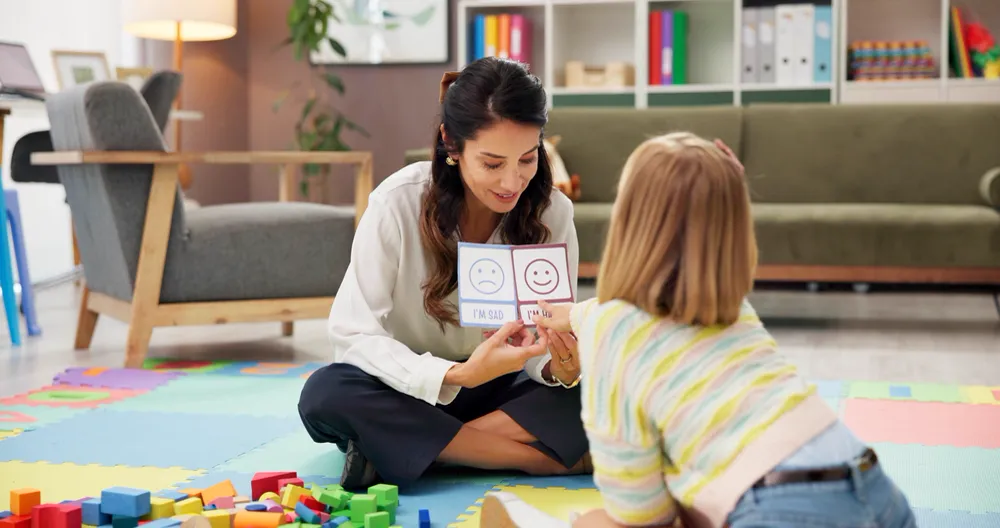
Many parents notice a frustrating pattern when their children read. The child can sound out every word perfectly. They read smoothly and with good pacing. But when asked what the story was about, they give a blank stare or say, "I don't know." The student is reading, but they are not understanding.
There is a missing step between seeing the words on the page and actually grasping the meaning behind them. That missing step is often mental imagery. When we read successfully, our brains naturally create pictures to match the words. This connection is what allows us to process information.
Using visualization to connect words to understanding is a powerful approach. When children learn to picture what they read, they stop just calling out words and start actually experiencing the story. As a foundational strategy, it transforms how a child interacts with text. If you are exploring reading comprehension programs for elementary students, understanding how this visualization technique works is a great place to start.
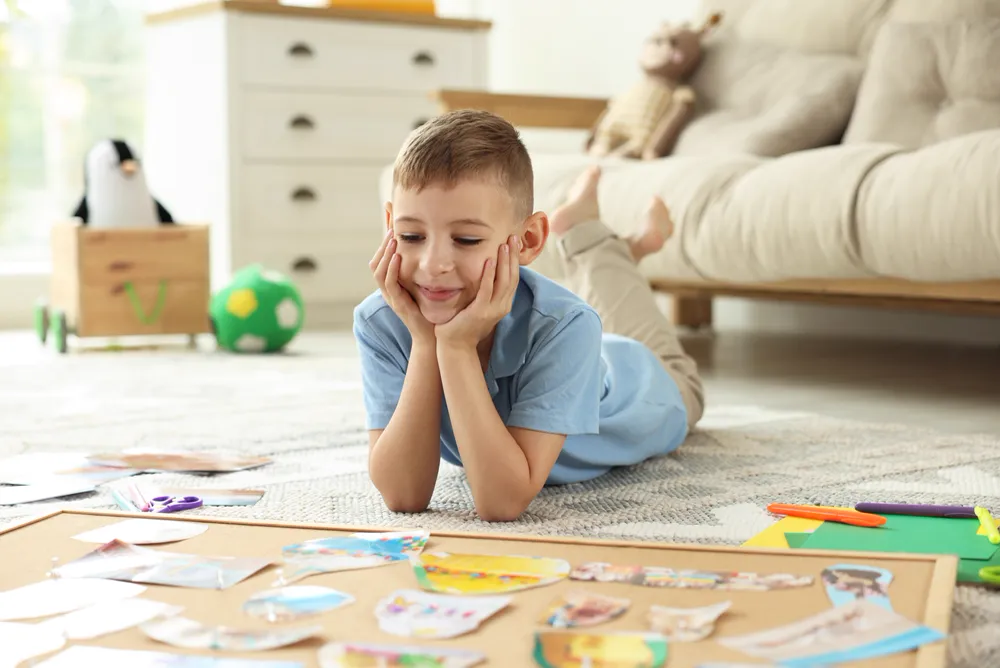
Why Some Students Struggle With Reading Comprehension
It is heartbreaking to watch a child try their best, only to feel defeated by a reading assignment. To help them, we first need to look at what is going wrong during the reading process.
Reading Words Without Meaning
Some children have excellent decoding skills. They know their phonics and can read fluently. However, their brain treats reading as a mechanical task of saying words out loud. Because they are not attaching pictures to the words, the language passes through their mind without leaving an impression.
Information Doesn’t Stay in Memory
If a child cannot picture the dog running through the park or the sequence of events in a history lesson, they have nothing to hold onto. Without mental imagery, words are just abstract symbols. As soon as the child finishes the paragraph, those words fade away.
Students Work Harder but Still Struggle
Without a solid visualization reading comprehension strategy, students try to compensate through sheer effort. They try to memorize words. They stare at the page longer. This leads to exhaustion and frustration, causing many bright students to decide they simply do not like reading.
What Is the Visualization Strategy for Reading Comprehension
The visualization strategy for reading comprehension is a targeted approach to help students consciously create mental imagery. It shifts reading from a passive activity to an active one.
Creating Mental Images While Reading
Visualization is the brain’s ability to create pictures from what is heard and read. When a child learns to visualize, they are taught to see the colors, sizes, shapes, and movements described in the text. They build a movie in their mind that plays along as they read each sentence.
Turning Words Into Meaning
When a student visualizes, the word "apple" is no longer just five letters. It becomes a round, red, shiny fruit in their mind. This mental imagery reading comprehension strategy ensures that language is instantly converted into something the brain recognizes and understands. If you want to dive deeper into the basics of this concept, you can explore What Is Visualization in Reading.
Active vs Passive Reading
Passive reading happens when eyes move across the page but the brain is disconnected. Active reading happens when a child uses the visualization technique for reading comprehension. They are actively updating their mental picture with every new sentence they encounter.
How Visualization Improves Reading Comprehension
Using visualization as a reading strategy does more than just make reading fun. It directly impacts the cognitive processes required for academic success.
Visualization Helps Students Understand
When a student can see the story unfold in their mind, confusing sentences start to make sense. They can see the relationships between characters or the steps in a science experiment. How visualization improves reading comprehension comes down to this clarity. Pictures simply make sense to the human brain.
Visualization Strengthens Memory
We remember experiences much better than we remember isolated words. By generating mental imagery, a child turns a reading assignment into an experience. The brain stores these pictures, making it much easier to recall facts, sequences, and main ideas later on.
Visualization Helps Students Retell
If a child has a movie in their mind, summarizing a story becomes easy. They simply describe the pictures they created. This is why visualization helps reading comprehension assessments and homework questions. The child just has to look at their mental imagery and report what they see.
Visualization Improves Focus While Reading
It is hard to pay attention to a list of random words. It is much easier to pay attention to a movie. When a student builds mental pictures, their focus naturally improves because their brain is engaged in a continuous, interesting task.
Why Visualization Helps the Brain Learn
The brain is wired to process visual information efficiently. Tapping into this natural system is why visualization improves comprehension so significantly.
Mental Images Organize Information
When a student reads a long paragraph about the solar system, the details can easily become jumbled. But if they are using a visualization reading comprehension strategy, they arrange the planets in their mind. This spatial organization prevents the student from feeling overwhelmed.
Understanding Becomes Clearer
Abstract concepts are difficult for elementary students to grasp. Translating these concepts into concrete mental pictures makes them accessible. The clearer the picture, the clearer the understanding.
Information Sticks Longer
Studies show that pairing verbal information with visual representation leads to better long-term retention. When kids use a visualization strategy for reading comprehension, they are anchoring the words in their long-term memory.
Visualization vs Rereading
When a child does not understand a passage, the most common advice is to "read it again." Unfortunately, this rarely solves the underlying problem.
Why Rereading Is Not Enough
If a child is reading passively the first time, they will likely read passively the second time. Simply moving the eyes over the same text does not magically create understanding if the mechanism of visualization is missing.
Students May Reread Without Understanding
Many parents watch their children read a page three times and still fail to answer a basic question. This is a clear sign that the student is missing the foundational skill of converting words into mental pictures.
Visualization Builds Meaning Instead
Instead of telling a child to reread, prompting them to visualize changes the task entirely. Asking, "What do you picture for that sentence?" forces the brain to pause and build the meaning before moving on.
Examples of Visualization Improving Comprehension
To see how visualization improves reading comprehension, it helps to look at practical examples of how the strategy works at different levels.
Sentence Example
Read the sentence: "The tiny brown mouse hid under the green leaf."
A student who doesn't visualize just hears words. A student who visualizes sees the size, color, and position of the mouse. If you ask them later where the mouse hid, they can check their mental picture and answer easily.
Paragraph Example
When reading a paragraph about how a caterpillar turns into a butterfly, a visualizing student pictures the caterpillar spinning the chrysalis, resting, and emerging with wings. They are creating a short video clip in their mind.
Story Example
For a longer story, the student links these mental video clips together. They see the setting, picture the characters, and watch the conflict unfold. This continuous visualization reading strategy for kids is what allows them to follow complex plots.
Academic Skills That Improve With Visualization
The benefits of teaching visualization for reading comprehension extend far beyond just reading time.
Reading Comprehension
Naturally, the ability to understand and analyze text improves drastically. Students become better at finding the main idea, making inferences, and understanding character motivations.
Memory and Recall
Because they are storing pictures instead of isolated words, students perform better on tests and quizzes. They can recall facts with greater accuracy and less anxiety.
Following Directions
When a teacher gives a multi-step instruction, a student who visualizes can picture themselves doing each step. This mental imagery helps them follow directions without missing crucial parts.
Writing Organization
Students who visualize can picture what they want to write before they put pencil to paper. This leads to more organized, detailed, and coherent writing assignments.
Why Some Students Don’t Use Visualization
If visualization is so natural, why do some children struggle with it? There are a few reasons why this gap occurs.
Visualization Is Not Automatic
For many children, mental imagery happens automatically. But for others, the brain does not naturally translate words into pictures. They need explicit instruction to learn how to turn this process on.
Students May Never Be Taught
Many traditional reading programs focus heavily on phonics and decoding. While these are critical skills, schools often assume that comprehension will just happen on its own once a child can decode. The visualization technique for reading comprehension is frequently left out of the curriculum.
Comprehension Becomes Difficult
Without this automatic process or explicit teaching, a child is left trying to memorize language. As texts become more complex in upper elementary school, this memorization strategy completely breaks down, leading to severe comprehension issues.
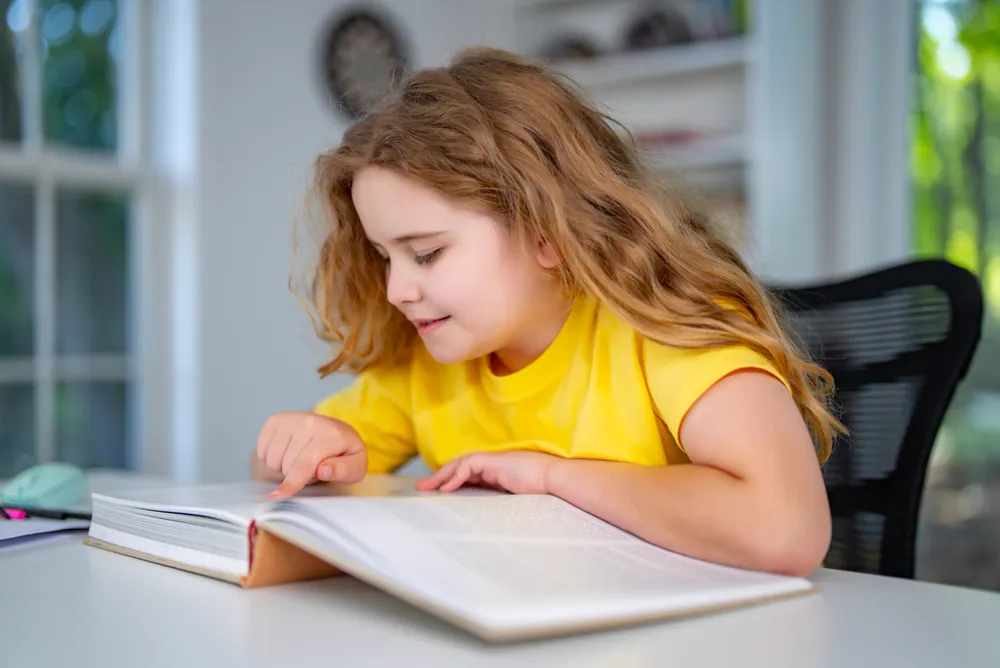
How Students Learn Visualization Step-by-Step
The good news is that visualization is a cognitive skill that can be taught and developed with the right approach.
Short Guided Practice
Educational therapists teach visualization by starting small. A student might start by visualizing a single word, then a simple sentence. An adult asks supportive questions to help the child add detail to their mental picture.
Progressive Skill Development
Once a child can visualize a sentence, they move on to a paragraph, and eventually a whole page. This progressive approach ensures the student's working memory is not overwhelmed.
Consistency Builds the Habit
Like any new skill, mental imagery reading comprehension strategy requires consistent practice. Over time, the brain builds new pathways, and visualizing becomes a permanent, automatic habit while reading.
Reading Comprehension Programs That Teach Visualization
If your child is struggling to understand what they read, looking for a targeted solution is the best next step. Structured programs that focus on mental imagery can change a child's academic trajectory. When researching reading comprehension programs for elementary students, ensure that the methodology explicitly includes teaching students how to visualize.
Effective visualization reading comprehension programs do not just test a child's understanding; they build the cognitive foundation required for understanding. Look for structured reading comprehension programs that guide students step-by-step from visualizing single words up to complex paragraphs. You can learn more about how Read-A-Rific® uses these methods by visiting our program page.
When Visualization Makes the Biggest Difference
Understanding when to intervene can save your child years of academic frustration. Visualization helps reading comprehension most visibly in a few specific scenarios.
Students Who Read Fluently but Don’t Understand
If your child sounds like a great reader but cannot answer basic questions about the text, visualization is the exact missing link they need.
Students Who Forget What They Read
If a child reads a chapter at night and forgets it all by morning, teaching them to create mental imagery will give their brain a way to anchor and retain the information.
Students Who Struggle With Homework
When word problems in math or science worksheets end in tears, it is often a comprehension issue. Visualization helps students picture the problem, making the homework manageable again.
Frequently Asked Questions
How does visualization improve reading comprehension?
Visualization improves reading comprehension by converting abstract words into concrete mental pictures. This allows the brain to process, understand, and organize information much like a movie playing in the mind.
What is the visualization strategy in reading?
The visualization strategy is a targeted approach where students are explicitly taught to create mental images for the colors, shapes, actions, and details described in a text.
Does visualization help memory?
Yes. The human brain remembers pictures and experiences much better than isolated words. By visualizing, students store information visually, which greatly improves long-term recall.
Why do students need visualization?
Students need visualization to bridge the gap between decoding words and understanding meaning. Without it, reading is just a mechanical process of saying words out loud.
Can visualization improve comprehension quickly?
While every child is different, many parents notice a shift in their child's understanding as soon as the child begins to actively practice making pictures. Consistent practice leads to long-lasting improvement.
Do all students visualize while reading?
No. While it is automatic for some, many students do not naturally create mental images while reading. These students benefit tremendously from being taught visualization explicitly.