
Child Reads Well But Cannot Answer Questions
Janel Nansenn · May 16
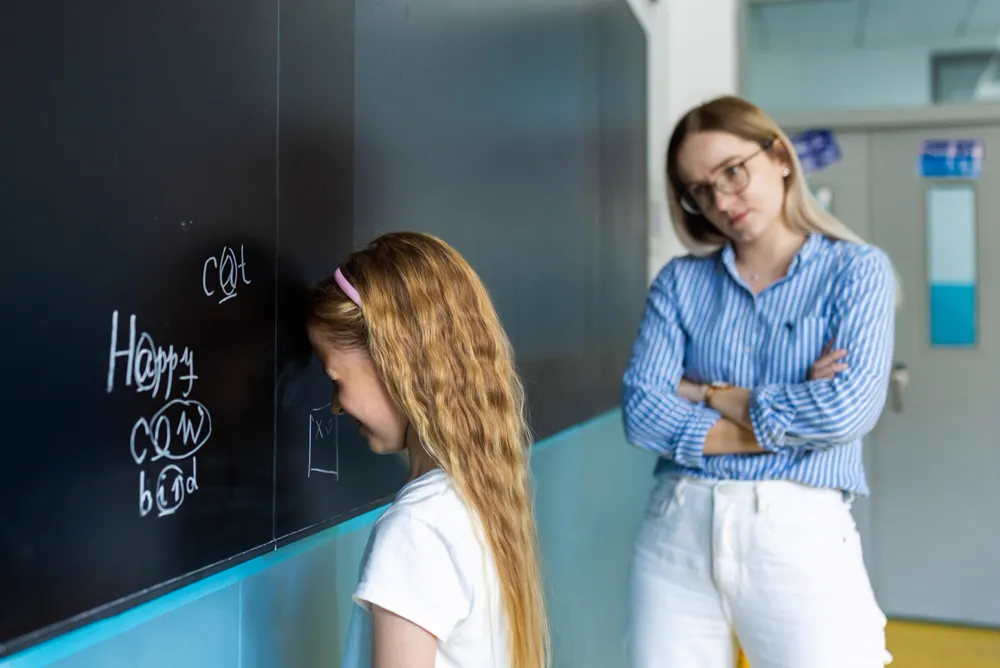
You sit down with your child to do their reading homework. They read the passage aloud smoothly, pronouncing every word correctly. They sound confident. But when you ask a simple question about what happened in the story, they look up at you blankly.
They simply don't know the answer.
This situation is incredibly confusing and frustrating for parents. You might wonder how a child reads smoothly but cannot explain a single detail they just read aloud. If this sounds familiar, you are not alone. This is a very common reading comprehension issue among elementary students.
When a child reads well but can't answer questions, it usually points to a gap between decoding words and actually understanding them. Fortunately, once you understand why this happens, you can find the right support. Many parents find success by exploring reading comprehension programs for elementary students that focus on building the foundational skills needed for true understanding.
Why Some Children Read Well but Cannot Answer Questions
Reading Fluency vs Understanding
It is easy to confuse reading fluency with reading comprehension. Fluency is the ability to read words accurately and at a good pace. Understanding is the ability to grasp the meaning behind those words. A child can have excellent fluency while struggling completely with understanding.
Words Without Meaning
Sometimes, children learn to decode letters and sounds so efficiently that their brain goes on autopilot. They are calling out words on a page, but they are not attaching any meaning to those words. To them, reading feels like reciting a list of random sounds rather than taking in a story.
Comprehension Requires More Than Decoding
Decoding is just the first step of reading. To actually answer questions, a child's brain has to do much more. It must hold onto information, connect sentences together, and build a mental picture of the text. When a child reads but cannot answer comprehension questions, this secondary process is usually missing.
Common Signs Behind This Reading Pattern
Reads Smoothly but Cannot Explain
Your child might sound like an expert reader when reading aloud. Their tone and pacing are great. However, if you ask them to tell you what the chapter was about, they cannot put it into words. They might just repeat a single sentence they remember from the very end.
Answers “I Don’t Know” After Reading
One of the most common signs of a good reader but poor comprehension is the automatic "I don't know" response. When faced with a question about the text, the child genuinely feels like they have no information to draw from. They read the words, but the information simply did not stick.
Forgets Details Quickly
You might notice that your child remembers a character's name for a few seconds, but forgets it completely by the next page. This happens because the information was only held in their short-term working memory just long enough to say the word aloud.
Difficulty Retelling
Retelling a story requires holding the beginning, middle, and end in your mind at once. A child who struggles to process meaning will find retelling almost impossible. They might give you fragments of information out of order, or they might just stare blankly.
Needs Rereading
A student reads but cannot answer questions, so they have to go back and read the same paragraph three or four times. Even after multiple rereads, they still struggle to find the answer. This constant rereading makes homework exhausting and tears often follow.
Why Answering Questions Requires Comprehension
Understanding Main Ideas
To answer questions about a text, a child must first grasp the main idea. They need to understand the "big picture" of what is happening. Without this foundational understanding, the individual words they read have nothing to anchor to.
Remembering Details
Questions often ask for specific details, like where a character went or what color a dog was. Remembering details requires the brain to file information away while continuing to read new sentences. This is a complex cognitive task for young readers.
Connecting Information
Many questions require a child to connect something that happened on page one with something that happened on page five. If a child reads well but doesn't understand, they treat every sentence as an isolated event. They do not connect the dots as the story progresses.
What Is Happening When Students Cannot Answer Questions
Reading Without Building Meaning
When a child reads fluently but can't answer questions, they are usually treating reading purely as a mechanical task. Their primary goal is to get to the end of the page. They do not realize that the goal of reading is actually to absorb a message or experience a story.
Weak Memory for Text
Some children simply have a weak memory for text. Because they are not actively engaging with the deeper meaning of the words, their brain discards the information the moment the word is spoken. This leaves their mind completely blank when question time arrives.
Difficulty Organizing Information
Stories have a structure. Non-fiction texts have an organization. If a child cannot perceive how the information is organized, it all becomes a jumbled mess in their mind. They cannot pull out the correct answer because the information is not stored neatly in their memory.
The Missing Step Between Reading and Answering
Visualization While Reading
Educational therapists know that there is a critical missing step for these students: visualization. Visualization is the ability to create pictures in your mind while you read. It is the foundational skill behind reading comprehension.
Mental Images Support Understanding
When a child visualizes, they turn words into a mental movie. If the text says, "The large brown dog chased the red ball," a visualizing reader actually sees that happen in their mind's eye. This mental image makes the sentence meaningful and real.
Visualization Helps Recall Answers
When it comes time to answer questions, a child who visualizes simply looks back at the pictures they saved in their mind. They don't have to memorize the exact words. They just describe the mental movie they created. Without this imagery, answering questions feels like guessing.
Types of Questions That Become Difficult
Detail Questions
Questions that ask "who," "what," "where," or "when" can be tricky. If a child is reading but not answering questions, they likely did not picture the specific details of the scene, causing those facts to slip away immediately.
Main Idea Questions
Questions asking "What is this story mostly about?" are very difficult for a child who only focuses on decoding. They cannot zoom out from the individual words to see the overall theme or purpose of the passage.
Inference Questions
Inference questions ask a child to figure out something that is not directly stated in the text. For example, "Why was the boy crying?" This requires connecting clues together. A child struggling with comprehension cannot connect clues because they haven't retained them.
Retell Questions
"Tell me what happened in the story." This broad question is overwhelming for a student who has poor comprehension. They lack the mental sequence of images required to narrate the story back to you in a logical order.
How Comprehension Improves Question Answering
Students Understand What They Read
When comprehension improves, usually through building visualization skills, the entire reading experience shifts. The child goes from just saying words to actually understanding the message. The text finally makes sense.
Students Recall Information
With strong comprehension, a child's memory for text improves dramatically. Because they are storing mental images rather than abstract words, they can hold onto information long after the book is closed.
Students Explain in Their Own Words
A great sign of comprehension is when a child can answer a question using their own vocabulary. They do not need to hunt for the exact sentence in the book. They understand the concept well enough to explain it naturally.
Students Answer More Confidently
As a child learns to process text deeply, their confidence grows. They no longer dread the questions at the end of the chapter. They know they have the answers stored in their mind, ready to be shared.
Ways to Support Students Who Cannot Answer Questions
Ask What They Picture
Start asking your child what they are picturing in their mind as they read. If they say they aren't picturing anything, you have found a great starting point. Help them describe the colors, shapes, and movements of the characters.
Encourage Retelling
Have your child practice retelling small portions of a story. Start with just a single paragraph. Ask them to give you a quick summary before moving on to the next one. This builds their ability to hold onto information.
Pause During Reading
Do not wait until the end of the chapter to ask questions. Pause frequently. Stop after a few pages and check in. Discuss what is happening right then so the child stays engaged with the meaning of the text.
Discuss Meaning
Make reading a conversation. Talk about why a character might have made a certain choice. Discuss what you think will happen next. This helps your child see that reading is an active, thinking process, not just a decoding task.
Reading Comprehension Programs for Students Who Read but Cannot Answer Questions
When a child reads but doesn't understand questions at school or at home, parents often look for outside help. It is important to find the right kind of help. General tutoring that just practices more reading and more questioning often frustrates these students further.
Instead, look for structured reading comprehension programs. The most effective reading comprehension programs for elementary students, like Read-A-Rific®, focus on the foundation. They teach a child how to visualize and process language before asking them to answer complex questions. This foundational approach bridges the gap between seeing the words and knowing what they mean.
When This Pattern Signals a Comprehension Gap
Students Who Read Fluently
If your child reads aloud beautifully but cannot answer basic questions, it is a clear signal of a comprehension gap. Do not assume that their good fluency means they will eventually figure out the meaning on their own. They need specific guidance to connect words to images.
Students Who Forget What They Read
A child who forgets the story five minutes after reading it is showing a classic sign of weak comprehension. Their memory is not flawed; their strategy for reading is. They need to learn how to create lasting mental pictures.
Students Who Struggle With Homework
When homework takes hours because your child cannot answer the reading questions, it is time to look deeper. This reading fluency but poor comprehension pattern can cause significant stress. Identifying the gap allows you to find supportive, calming solutions for your child.
FAQ Section
Why does my child read well but can't answer questions?
This happens when a child has mastered decoding (reading words aloud) but has not yet mastered comprehension (understanding the meaning). They are focusing so much brainpower on pronouncing the words that they do not build a mental picture of what the story is actually about.
Is it normal for kids to read but not answer questions?
Yes, this is a very common developmental stage, especially in early elementary school. Many children learn the mechanics of reading before they develop the cognitive skills required to simultaneously process and remember the meaning of the text.
Why can my child read but not understand?
Reading involves two distinct skills: identifying words and processing language. A child can read but not understand if they have a weakness in language processing or visualization. They see the words, but their brain does not translate those words into meaningful concepts.
How can I help my child answer comprehension questions?
You can help by pausing frequently during reading to discuss the story. Encourage them to describe what they picture in their mind. If they continue to struggle, looking into structured comprehension programs that focus on visualization can be highly beneficial.
Does visualization help answer reading questions?
Yes, visualization is a critical foundation for answering questions. When a child creates a mental movie of the text, they can easily look back at their mental images to recall details, understand the main idea, and make inferences.
What causes poor comprehension despite good reading?
Poor comprehension in a good reader is typically caused by a lack of mental imagery. The child is reading words as abstract sounds rather than attaching them to visual concepts. Without these visual anchors, the information cannot be stored or recalled to answer questions.
Moving Forward with Confidence
Understanding why a child reads well but cannot answer questions is the first step toward helping them succeed. By recognizing that reading fluency does not automatically equal reading comprehension, you can take the pressure off your child. Remember that comprehension is a skill that can be taught. By encouraging visualization and seeking out supportive, structured programs, you can help your child transform from a word-caller into a confident, understanding reader.