
Poor Reading Comprehension and Low Confidence in Students
Janel Nansenn · May 17
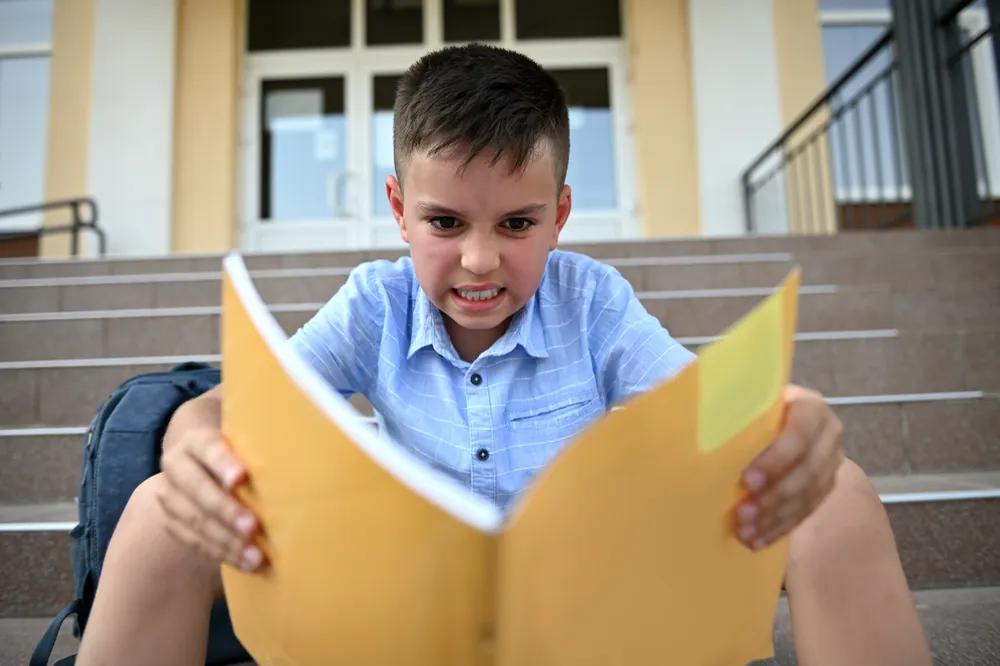
Watching your child struggle with reading is heartbreaking. You might notice them guessing words, rushing through pages, or suddenly refusing to read altogether. Over time, that early enthusiasm for books fades, replaced by tears, avoidance, and a heartbreaking drop in self-esteem. As a parent, you want nothing more than to help them feel capable again.
When a child’s confidence decreases, it is easy to assume the problem is simply that reading is "too hard." The frustration builds during homework time, and the avoidance begins whenever a book is placed in front of them. However, what looks like a lack of effort or a behavioral issue is often something entirely different. Poor reading comprehension is frequently the underlying cause of this emotional reaction. When kids can decode the words but cannot picture the story, the text means nothing to them.
Understanding this connection is the first step toward helping your child. By exploring [reading comprehension programs for elementary students], you can begin to address the root of the problem. When we give children the right tools to understand what they read, their confidence naturally begins to return.
How Reading Comprehension Affects Student Confidence
Reading comprehension and self-esteem are deeply intertwined. When reading feels like an impossible puzzle, a child’s belief in their own intelligence takes a hit.
Difficulty Understanding Assignments
As children move through elementary school, reading is no longer just about stories. They must read to learn math, science, and history. If a child has poor reading comprehension confidence, every worksheet feels overwhelming. They read the instructions but do not know what to do next. This constant confusion makes them feel like they cannot succeed in school, regardless of the subject.
Struggles During Reading
Imagine reading a page of text, getting to the bottom, and having no idea what you just read. For a struggling reader, this is a daily experience. They put in the mental energy to sound out the words, but the meaning slips away. This invisible struggle drains their mental energy. They begin to associate reading with failure, leading to a profound drop in their self-esteem.
Feeling Behind Peers
Children are incredibly observant. They notice when their classmates finish assignments quickly or eagerly raise their hands to discuss a chapter book. A child who loses confidence reading often compares themselves to peers. They silently conclude that they are simply not as smart as the other kids in the room, which deeply impacts their emotional well-being.
Signs Reading Comprehension Is Impacting Confidence
How do you know if your child's confidence problems stem from reading comprehension? The emotional impact often shows up in their daily behavior.
Avoids Reading
A child avoids reading confidence issues by simply staying away from books. They might “forget” their book at school, conveniently lose their reading log, or suddenly need a drink of water the moment reading time begins. Avoidance is a protective mechanism to shield themselves from feeling inadequate.
Says “I’m Not Good at Reading”
Listen to the words your child uses. Statements like "I'm not good at reading" or "I'm dumb" are massive red flags. This shows that their reading comprehension self-esteem has dropped significantly. They have internalized their struggle and made it part of their identity.
Frustration During Homework
Homework time often turns into a battleground. If your child cries, rips up paper, or shuts down completely over reading assignments, they are showing you their frustration. They are overwhelmed because the text does not make sense to them, and they feel powerless to fix it.
Reluctance to Answer Questions
When you ask your child what happened in a story, they might shrug, give a very vague answer, or get defensive. This reluctance happens because they genuinely do not know the answer. They read the words, but the movie did not play in their mind. Answering questions exposes this gap, so they prefer to stay silent.
Low Participation in Class
Teachers might note that your child is quiet during group discussions. A child with low confidence reading comprehension will rarely volunteer to read aloud or answer questions about a passage. They try to fly under the radar to avoid embarrassment.
Why Comprehension Difficulties Affect Confidence
To help your child, it is essential to understand exactly why comprehension struggles erode their belief in themselves.
Understanding Feels Hard
For many children, decoding words is a mechanical process. But true comprehension requires active thinking and visualization. When understanding feels consistently hard, children assume they are doing something wrong. They do not realize they are simply missing a foundational skill.
Repeated Struggles
Confidence is built through repeated success. Conversely, it is destroyed through repeated failure. Every time a child reads a paragraph and fails to grasp its meaning, it reinforces their belief that they are not a good reader.
Effort Without Success
Perhaps the most heartbreaking aspect is the effort these children put in. They try. They sound out the words. They look at the page. But because they are not visualizing the concepts, the effort does not lead to understanding. Trying hard and still failing is incredibly discouraging for a young learner.
The Emotional Impact of Weak Reading Comprehension
The way reading comprehension affects confidence goes far beyond the classroom. It spills over into a child's overall emotional state.
Frustration
Frustration is usually the first emotion to appear. Your child knows they are supposed to understand the story. When the words remain just words on a page, the resulting frustration can manifest as anger, irritability, or meltdowns.
Avoidance
Once frustration peaks, avoidance takes over. It is human nature to avoid things that make us feel bad about ourselves. For a child, refusing to read is a logical way to protect their self-esteem from further damage.
Low Self-Esteem
Over time, struggling reader confidence plummets. They stop believing in their ability to learn. This low self-esteem can spread to other areas of their life, making them hesitant to try new sports, hobbies, or social activities.
Reduced Motivation
When a child believes they cannot succeed, they stop trying. You might notice a sharp drop in their academic motivation. They rush through tasks just to get them over with, no longer caring about the quality of their work because they feel the outcome will be poor anyway.
How Confidence Changes When Comprehension Improves
The good news is that this cycle can be reversed. When we address the root cause and improve comprehension, the emotional transformation is beautiful to witness.
Students Understand More
When a child learns how to process text correctly, the lights turn on. They suddenly understand the story. They can picture the characters and the setting. This breakthrough brings a profound sense of relief and joy.
Students Participate More
As their understanding grows, so does their willingness to share it. You will see them start to raise their hand in class or eagerly tell you about a funny part of their book. They want to participate because they finally feel included in the reading experience.
Students Take Risks
A confident reader is not afraid to encounter a difficult word or a complex paragraph. They know they have the tools to figure it out. This willingness to take risks accelerates their learning and helps them tackle more challenging material.
Students Feel Capable
Ultimately, strong comprehension makes students feel capable. They realize they are smart, capable learners. This renewed belief in themselves positively impacts their entire educational journey.
The Skill That Helps Build Confidence
So, how do we bridge this gap? The answer lies in a foundational cognitive skill that many struggling readers are missing.
Visualization Supports Understanding
Reading is essentially creating a mental movie of the text. This process is called visualization. When a child can picture the concepts, the words transform into meaning. Visualization supports understanding by giving the brain a concrete way to process and hold onto information.
Mental Images Improve Recall
It is incredibly difficult to remember a string of disconnected words. It is much easier to remember a picture. By teaching children to create strong mental images as they read, we drastically improve their ability to recall details, sequence events, and answer questions.
Students Experience Success
When a child learns to visualize, they immediately experience success. They read a sentence, picture it, and realize they understand it. This immediate, tangible success is the ultimate confidence builder.
Why Confidence Improves With Stronger Comprehension
The shift from a struggling reader to a confident reader happens through practical, daily changes in how they interact with text.
Less Rereading
When visualization is strong, children do not have to read the same paragraph five times to understand it. Getting it right the first time saves energy and makes reading feel like a smooth, enjoyable process rather than a grueling chore.
Better Homework Experience
With stronger comprehension, homework time transforms. Your child can read the instructions, visualize what is being asked, and complete the task independently. The tears and arguments are replaced by calm focus.
More Independent Work
Confidence breeds independence. A child who understands what they read does not need a parent hovering over their shoulder to explain every sentence. They take pride in doing their work on their own.
Reduced Frustration
As understanding becomes automatic, the deep frustration melts away. Reading becomes a tool for learning and enjoyment, rather than a source of stress and anxiety.
How Parents Can Support Confidence During Reading
As a parent, your support is crucial. You can help nurture this foundational skill at home in a calm, pressure-free way.
Encourage Visualization
When reading with your child, pause frequently and ask them what they picture in their mind. You might say, "What do you see when the author describes the old house?" Encourage them to add details to their mental image, like colors, shapes, and sizes.
Discuss What Was Read
Keep the conversation casual. Instead of quizzing them like a test, chat about the story. If you are reading together, share your own mental pictures. This models the visualization process and makes it a shared, enjoyable activity.
Focus on Understanding
Praise your child for their understanding, not just for reading fast or sounding out difficult words. Let them know that the whole point of reading is to get the picture. If they stumble on a word but still grasp the meaning of the sentence, celebrate that win.
Keep Practice Short
Long, grueling reading sessions will only increase frustration. Keep practice short and positive. Ten minutes of focused, successful reading with strong visualization is far better than an hour of miserable struggle.
Reading Comprehension Programs That Support Confidence
Sometimes, children need more structured support to build these cognitive foundations. This is where [reading comprehension programs for elementary students] can make a profound difference. The best [structured reading comprehension programs] focus explicitly on teaching visualization. They do not just offer more reading practice; they provide [reading comprehension help elementary students] need by changing how the brain processes text. By explicitly teaching children how to create mental images, these programs rebuild the foundation of reading from the ground up.
When Low Confidence Signals a Comprehension Gap
It is helpful to recognize the specific profiles of children who are hiding a comprehension gap behind low confidence.
Students Who Avoid Reading
If your child will do anything to get out of reading, do not assume they are just being stubborn. This intense avoidance is a giant billboard signaling that reading is deeply uncomfortable for them because the text is not making sense.
Students Who Read but Don’t Understand
Some children read beautifully out loud. They sound fluent and expressive. Yet, when they finish, they cannot tell you a single thing about the story. For these students, it is vital to read about [Why Kids Can Read But Don’t Understand]. Their decoding skills are masking a severe visualization deficit.
Students Who Struggle With Homework
When a child seems smart and capable in conversation but falls apart during independent homework, comprehension is often the culprit. They rely on your verbal explanations because processing the written instructions on their own is too difficult.
FAQ Section
Does reading comprehension affect confidence?
Yes, absolutely. When a child consistently struggles to understand what they are reading, they begin to feel inadequate. This invisible struggle leads to frustration, anxiety, and a deep drop in their overall self-esteem and academic confidence.
Why does my child lose confidence when reading?
Children lose confidence when they put in significant effort to sound out words but still fail to grasp the meaning of the text. This repeated cycle of effort without success makes them feel like they are simply not smart enough to read well.
Can improving comprehension build confidence?
Improving comprehension is the most effective way to rebuild reading confidence. When a child learns to visualize and finally understands the story, they experience immediate success. This tangible success replaces their frustration with a renewed belief in their abilities.
How can I help my child feel confident reading?
Start by focusing on understanding rather than speed or perfect pronunciation. Encourage your child to describe the pictures they make in their mind while reading. Keep reading sessions short, positive, and supportive.
Does visualization help reading confidence?
Visualization is the foundational skill behind reading comprehension. By helping a child create mental movies of the text, visualization makes the words meaningful. When a child can easily picture the story, their understanding and confidence grow naturally.
What causes low reading confidence?
Low reading confidence is typically caused by repeated experiences of failure. Even if a child can decode words, if they cannot comprehend the message, reading feels like a pointless, difficult chore. This ongoing lack of understanding directly diminishes their self-belief.
Rebuilding the Joy of Reading
Helping a child regain their confidence is a journey of patience and understanding. By recognizing that poor reading comprehension and low confidence are connected, you can change the way you support your child. Instead of pushing for more traditional reading practice, focus on the foundational skill of visualization. When children learn to picture the text, the words come alive.
If your child is currently struggling, know that there is hope. With the right approach and a focus on how the brain processes language, your child can overcome these hurdles. Consider exploring our [program page] to learn more about structured, visualization-based support that can help your child finally feel capable, confident, and ready to read.