
How to Improve Reading Comprehension for Elementary Students
Janel Nansenn · May 9
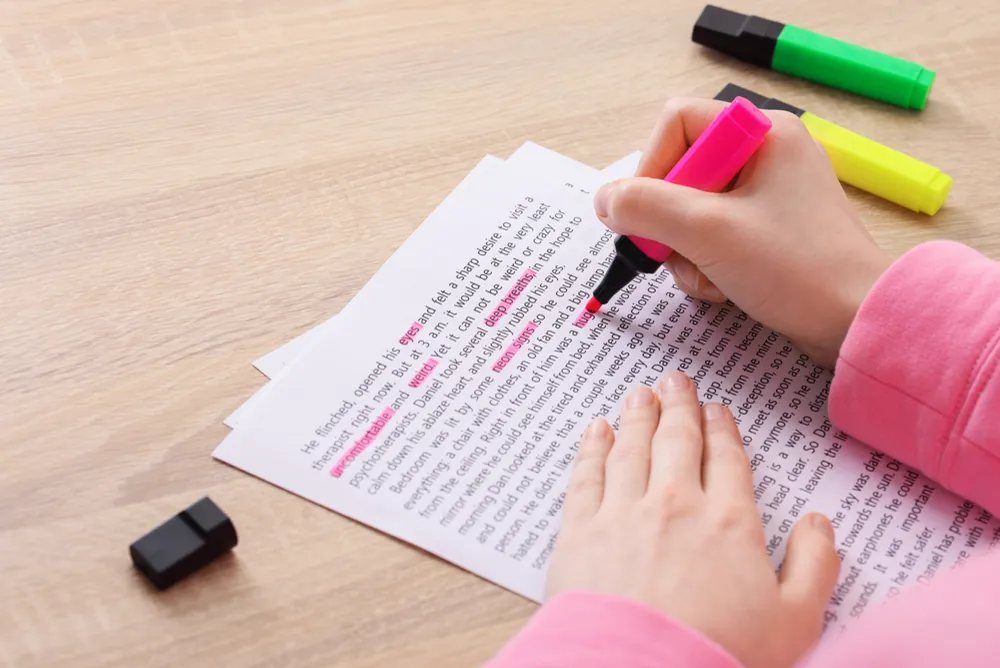
Watching your child struggle with reading is tough. You might have tried reading more books together, hiring a tutor, or practicing sight words every night. Yet, when you ask your child what they just read, they look at you blankly. They can read the words out loud perfectly, but the meaning completely escapes them.
This leaves many parents feeling stuck. You know your child is smart and capable. They might even excel in other subjects. But when it comes to understanding a story or answering questions about a reading passage, a disconnect happens. The good news is that this is a very common challenge, and it is entirely possible to fix.
When you want to improve reading comprehension elementary skills, the solution usually does not involve just reading more. Instead, it involves changing how your child processes words. Children need foundational improvement to bridge the gap between seeing a word and understanding its meaning. For parents looking for comprehensive solutions, exploring reading comprehension programs for elementary students is often a helpful first step.

Why Reading Comprehension Can Be Difficult for Elementary Students
It is easy to assume that reading is a single skill. We often think that if a child can sound out the words, they should automatically understand the story. But reading is actually a two-part process. Decoding is the ability to read the words. Comprehension is the ability to understand them. Many children master the first part but struggle deeply with the second.
Students Read but Do Not Understand
When learning how to improve reading comprehension elementary students often face a silent hurdle. They decode words beautifully. They read with speed and accuracy. However, their brain is working so hard to pronounce the words that it forgets to process the meaning behind them. They reach the end of the page and have no idea what the characters did or why they did it.
Information Doesn’t Stay in Memory
Memory is closely tied to comprehension. If a child does not truly grasp the meaning of a paragraph, those words will not stick in their brain. You might notice that your child remembers random details but forgets the main idea. This makes it incredibly hard to follow a plot or learn new information from a textbook. When information doesn't stay in memory, reading becomes a frustrating chore rather than an engaging activity.
Homework Becomes Frustrating
For a child who struggles to understand what they read, homework time quickly turns into a battle. Answering simple questions about a short story feels impossible. They might guess the answers, stare at the page, or start crying out of sheer frustration. This stress affects the whole family and makes the child dread anything related to schoolwork.
What Actually Improves Reading Comprehension
Many parents wonder how to help a child understand what they read. The instinct is usually to make them read aloud more often. But if a child is practicing the wrong reading habits, reading more will only reinforce those bad habits. To truly improve reading comprehension kids need to learn how to actively process information.
Understanding vs Memorizing
There is a huge difference between memorizing a fact and understanding a concept. Memorization is fragile. A child might memorize a sentence to pass a quiz, but they will forget it by the next day. True understanding means the child grasps the concept deeply. They can explain it in their own words. They can connect it to things they already know.
Creating Meaning While Reading
Strong readers do something very specific while they read. They create meaning. They do not just look at black ink on a white page. They translate those words into thoughts, ideas, and sensory experiences. They actively build a world in their minds as they move from sentence to sentence. This active participation is what separates a strong reader from a struggling one.
Building Stronger Reading Foundations
If you want to improve reading comprehension 3rd grade and beyond, you must build a stronger foundation. This means taking a step back from complex homework assignments and focusing on how the brain processes language. Once the foundation is solid, all other reading tasks become significantly easier.
Step One: Help Students Create Meaning While Reading
The most effective reading comprehension help elementary students can receive starts with changing how they interact with language. You can help your child begin to actively create meaning from the words they read by taking things slowly.
Encourage Mental Images
Words are just symbols for real things. When we read the word "apple," we do not think of the letters A-P-P-L-E. We picture a red, shiny fruit. Encourage your child to do this intentionally. Tell them that words are like magic spells that create pictures in the mind.
Ask What They Picture
Instead of asking, "What did you just read?" try asking, "What do you picture in your mind right now?" This simple shift in questioning changes everything. It prompts the child to look inward and check if they have actually processed the sentence. If they cannot describe a picture, it means they did not understand the sentence.
Focus on Understanding
Praise understanding over speed. Many children think that being a "good reader" means reading quickly. Remind your child that the goal of reading is to understand the story. It is perfectly fine to read slowly, pause, and think about what is happening.
Step Two: Strengthen Memory While Reading
Once your child starts creating mental images, you can help them hold onto those images. This is how you build reading memory.
Discuss What Was Read
Talk about the story as if it were a movie you just watched together. Discuss the characters, the setting, and the problems they face. This casual conversation helps solidify the information in your child's memory. It also shows them that reading is a shared, enjoyable experience.
Ask for Retelling
Periodically pause and ask your child to retell what happened so far. They should do this using their own words, not by looking back at the book and rereading the sentences. If they can easily retell the story, their comprehension is on track.
Connect Ideas Together
Help your child see how different parts of the story connect. If a character acts a certain way in chapter three, ask your child if it reminds them of something that happened in chapter one. Connecting ideas helps the brain organize information, making it much easier to remember.
Step Three: Build Comprehension Gradually
When learning strategies to improve reading comprehension elementary students need patience. You cannot rush this process. Building comprehension is like building a muscle; it takes time and consistent practice.
Start With Short Passages
Do not start with a thick chapter book. Start with very short passages, perhaps just a single sentence or two. Ensure your child completely understands that small piece of text before moving forward. This builds confidence and prevents them from feeling overwhelmed.
Move to Paragraphs
Once your child is comfortable visualizing single sentences, move on to short paragraphs. Have them pause at the end of the paragraph and describe the overall picture they created in their mind.
Increase Complexity Slowly
Gradually increase the length and difficulty of the reading material. If you notice your child starting to struggle or guess answers, drop back to an easier level. The goal is consistent success, not rapid advancement. This slow, steady approach is the best way to improve reading comprehension 4th grade and up.
Why Some Common Strategies Don’t Always Work
Parents try very hard to help their kids. Unfortunately, some of the most common advice given to parents does not actually address the root cause of poor comprehension.
Reading More Without Understanding
Telling a struggling reader to "just read for 20 minutes a day" is rarely helpful. If they are not processing the meaning of the words, those 20 minutes are just an exercise in frustration. Quality of reading is far more important than quantity.
Answering Questions Without Meaning
Worksheets full of multiple-choice questions do not teach comprehension. They only test it. A child might learn how to scan a text for keywords to find the right answer, but that does not mean they actually understand the material.
Repeating Directions
If a child asks, "What does this mean?" simply rereading the sentence louder or slower will not help. If they did not understand the words the first time, hearing them again will not magically create meaning. They need a different way to process the information.
The Foundational Skill That Improves Reading Comprehension
There is a specific cognitive skill that naturally strong readers use without even realizing it. When you teach this skill to struggling readers, their ability to understand and remember text transforms completely.
Visualization Connects Words to Meaning
This foundational skill is called concept imagery, or visualization. When you want to learn about what is visualization in reading, it helps to think of it as making a movie in your mind. Visualization connects the abstract symbols on a page to concrete, sensory experiences.
Mental Images Improve Recall
The human brain is wired to remember pictures much better than it remembers words. When a child visualizes a story, they are storing that story as a series of mental images. Later, when they need to answer a question or retell the plot, they simply recall the images. This makes remembering effortless.
Understanding Becomes Easier
Visualization makes abstract concepts concrete. When a child can clearly "see" what they are reading, the confusion lifts. They stop guessing and start knowing. This foundational skill is the key to elementary reading comprehension improvement.
Signs Reading Comprehension Is Improving
As you work on these foundational skills with your child, you will start to notice positive changes. These changes often happen gradually, but they are incredibly rewarding to see.
Students Retell More Easily
One of the first signs of improvement is smoother retelling. Your child will be able to summarize a story without stumbling, guessing, or staring blankly. Their summaries will include relevant details and follow a logical order.
Less Rereading
You will notice your child reading a page once and understanding it, rather than reading the same paragraph three times in confusion. This makes reading much more enjoyable and significantly faster.
Improved Homework Time
The nightly homework battles will start to fade. Answering questions about a reading passage will no longer cause tears. Your child will approach their assignments with a calm, capable attitude.
Greater Confidence
Perhaps the most wonderful change is a boost in self-esteem. When a child realizes they can understand what they read, their confidence soars. They start to view themselves as smart, capable learners.
Helping Elementary Students Build Comprehension Daily
You do not need hours of extra tutoring every day to see results. Small, consistent actions make a massive difference in how to improve comprehension reading kids need over time.
Short Practice Sessions
Keep practice sessions short and positive. Ten to fifteen minutes of focused visualization practice is far better than an hour of frustrating worksheet drills. End the session while your child is still feeling successful.
Guided Reading
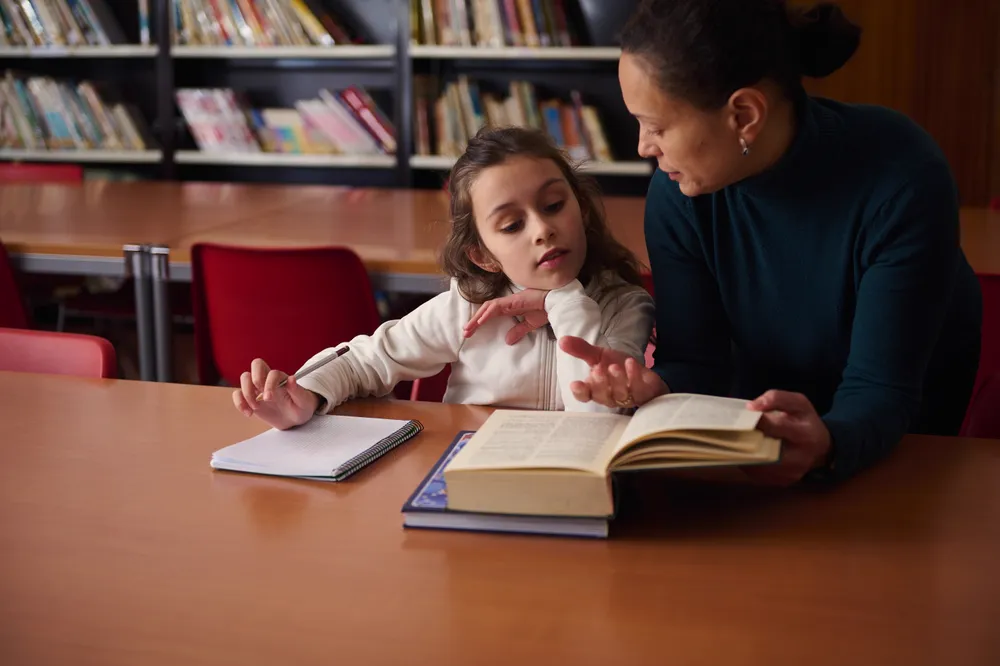
Sit with your child while they read. Gently guide them to pause and picture the story. Ask supportive questions that prompt them to describe their mental images. Your presence and guidance provide the safety they need to try new cognitive skills.
Consistent Reinforcement
Remind your child to use their visualization skills outside of reading time. If you give them verbal instructions for a chore, ask them to picture themselves doing it before they start. Consistently reinforcing this skill helps it become an automatic habit.
Reading Comprehension Programs for Elementary Students
Sometimes, parents need a little extra help. Even with the best intentions, it can be difficult to know exactly how to guide your child step-by-step. If you feel like you need more structured support, exploring reading comprehension programs for elementary students can provide a clear roadmap. These programs are designed to offer specific reading comprehension help elementary students need to succeed. Look for structured reading comprehension programs that explicitly focus on building foundational cognitive skills like visualization, rather than just offering more reading practice.
When Students Need Structured Comprehension Support
Every child learns at their own pace. But there are times when a child's struggles indicate they could benefit from a more structured, step-by-step approach to learning.
Students Who Read Fluently but Don’t Understand
If your child can read out loud beautifully but cannot answer basic questions about the story, they likely have a missing foundation. They need explicit instruction on how to connect the words they are decoding to mental images.
Students Who Forget What They Read
If your child understands a story in the moment but forgets it completely by the next day, their memory is not holding onto the language. Structured support can teach them how to anchor that language using sensory imagery.
Students Who Struggle With Homework
When homework consistently causes tears, anxiety, and household stress, it is a clear sign that the current strategies are not working. Structured, visualization-based support can remove the frustration and give your child the tools they need to tackle their assignments with confidence.
Frequently Asked Questions
How can I improve reading comprehension for elementary students?
Focus on building foundational skills like visualization. Encourage your child to create mental images of what they read, pause frequently to discuss the story, and ask them to retell events in their own words.
Why does my child struggle with comprehension?
Many children decode words perfectly but fail to process the meaning behind them. They focus entirely on pronouncing the words and do not actively create mental pictures to represent the ideas.
What improves reading comprehension the most?
Active engagement and visualization improve comprehension the most. Teaching a child to translate words into mental images allows them to deeply understand and remember the text.
How long does it take to improve comprehension?
Every child is different, but with consistent, daily practice of foundational skills like visualization, many parents start seeing noticeable improvements in their child's confidence and recall within a few weeks.
Does visualization improve reading comprehension?
Yes, visualization is a vital cognitive skill. It connects abstract words to concrete, sensory experiences, making it significantly easier for the brain to process and remember information.
What age should comprehension be taught?
Comprehension skills should be nurtured from a very young age. Even before a child can read independently, parents can ask questions about picture books and encourage children to imagine stories, laying the groundwork for reading comprehension in 5th grade, 6th grade, and beyond.
Giving Your Child the Tools to Succeed
Helping your child overcome reading struggles is a journey, but it is one filled with hope. By stepping away from frustrating drills and focusing on how the brain actually processes language, you can make a profound difference in your child's education. When you teach your child to visualize and connect with the text, you give them the key to unlocking lifelong learning. If you are ready to explore step-by-step guidance, learning more about an educational therapist-developed program page may be the perfect next step for your family.