
Why Students Forget What They Read So Quickly
Janel Nansenn · May 3

It is a familiar scenario for many parents. Your child sits down at the table, focuses on a reading assignment, and successfully reads a paragraph out loud. But when you ask them what the paragraph was about, they stare at you blankly. A child reads and forgets immediately, leaving both of you feeling confused and stuck.
This often leads to a cycle of rereading. Your child goes back over the same sentences, hoping the information will stick this time. Frustration builds as minutes tick by, and the homework still is not done. When a child forgets what they read so quickly, parents naturally worry about attention issues or learning disabilities.
However, when a child cannot remember what they read, it is frequently a memory issue tied directly to reading comprehension. They are decoding the words on the page, but those words are not turning into a meaningful experience in their mind. Without a strong mental framework to hold onto the information, the words simply slip away as soon as the book closes.
To fix this, students need a strong foundation in a skill called visualization. Visualization is the ability to create pictures in the mind while reading. If you are looking for reading comprehension programs for elementary students, focusing on this foundational skill is often the most effective way to help a child who forgets what they just read.
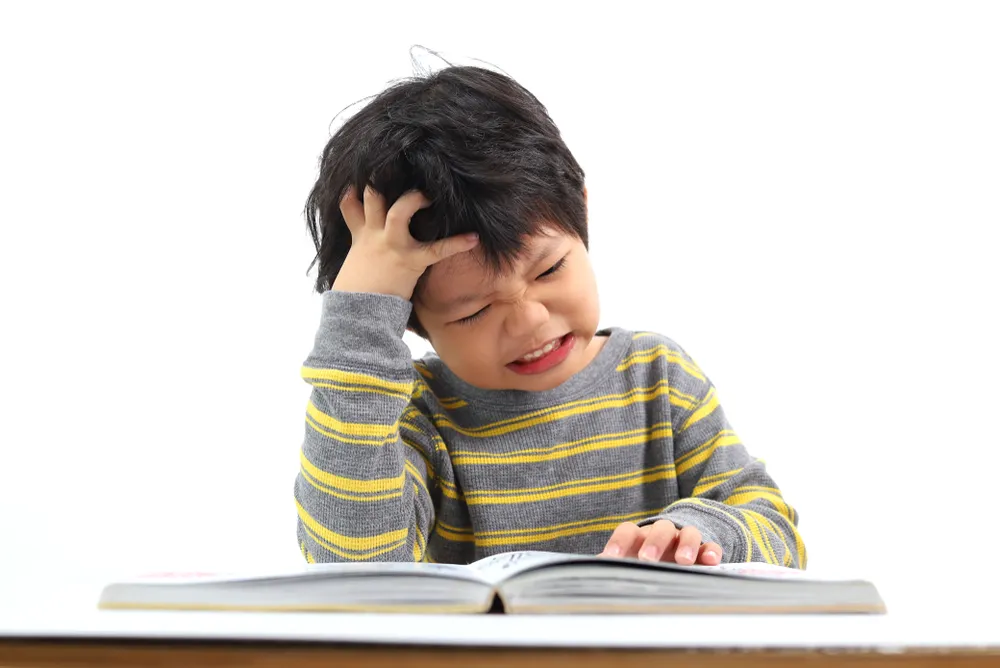
Why Some Students Forget What They Read Almost Immediately
Many parents wonder why kids forget what they read even when they are trying their best. The answer usually lies in what is happening inside the brain during the reading process.
Reading Without Creating Meaning
Some students become very good at reading words out loud. They know their phonics and can sound out complex vocabulary. But reading words is not the same as understanding a story. If a child only focuses on pronouncing the words, they are reading without creating meaning.
Memory Depends on Understanding
Our brains are not designed to remember disconnected streams of words. We remember concepts, events, and ideas. Poor reading comprehension memory happens when a student fails to grasp the underlying concept of the text. Memory depends on understanding the whole picture.
Why Information Doesn’t Stick
When a student forgets a reading passage seconds after finishing it, it is because the brain had nothing to hold onto. Without mental imagery or a sense of the story's meaning, the information does not stick. It goes into short-term memory and immediately fades away.
Common Signs Your Child Forgets What They Read
Reading memory problems in elementary students show up in very specific ways during homework time or reading practice.
Cannot Retell What They Just Read
One of the clearest signs of poor reading comprehension memory is when a child cannot retell a story. They might finish a chapter book, but if you ask them what happened, they can only give you vague details or they say they do not know.
Needs to Reread Multiple Times
If your child needs to reread everything, it is a strong indicator that the information is not sticking the first time. They finish a page, realize they absorbed nothing, and have to start over from the top.
Struggles to Answer Questions
Answering questions at the end of a chapter requires a student to retrieve information from memory. When a child forgets what they just read, these basic questions become overwhelming hurdles.
Forgets Instructions After Reading
Sometimes, this issue bleeds into daily tasks. A child forgets instructions after reading a simple worksheet or a set of directions for a game. They read the steps, but the meaning of those steps never registers.
Difficulty Summarizing
Summarizing requires a student to hold the entire passage in their mind and pick out the most important parts. If a child cannot remember what they read, pulling out the main idea is incredibly difficult.
How Memory and Reading Comprehension Are Connected
To help your child, it is helpful to look at how memory and comprehension work together. They are closely linked, and a breakdown in one usually affects the other.
Understanding Helps Information Stay
When we understand something, our brain files it away in a logical place. If a child understands the motivations of a character in a book, the events of the story make sense. That understanding anchors the information in their memory.
Why Memorization Doesn’t Work
Many students try to cope by rote memorizing the words on the page. But memorizing a string of sentences takes massive amounts of cognitive energy. It is exhausting, and it is why kids forget what they read as soon as they move on to the next subject. You can learn more about this dynamic in our article on Why Kids Can Read But Don’t Understand.
The Role of Mental Organization
A healthy reading memory requires mental organization. When students comprehend text, they naturally organize the sequence of events in their minds. Without that organization, the details scatter.
The Missing Skill Behind Reading Memory
For many educational therapists, the secret to solving reading comprehension memory problems lies in a single, vital skill: visualization.
What Visualization Does for Memory
Visualization is the process of making a movie in your mind while you read. When a child reads about a green frog sitting on a wet log, they should see that image internally. Visualization gives the brain a concrete picture to store.
How Mental Images Strengthen Recall
It is much easier to remember a picture than it is to remember a sentence. Mental images strengthen recall because they provide a visual anchor. When a student needs to remember a detail, they just look back at the picture they created in their mind.
Why Without Visualization Memory Is Weak
If a child reads without visualizing, they are just processing sounds and letters. This is why reading memory problems in elementary students are so common. Without an internal movie to reference, their memory of the text is incredibly weak.
Why Rereading Doesn’t Always Solve the Problem
When a child reads and forgets immediately, the natural instinct is to tell them to read it again. Unfortunately, this rarely solves the root of the problem.
Students Reread Without Understanding
If a child does not know how to visualize the text, reading it a second or third time does not change their approach. They will simply decode the words again without making meaning.
Information Still Doesn’t Stick
Because the underlying strategy hasn't changed, the information still does not stick. They might pick up one or two extra words, but the overall comprehension remains low.
Frustration Increases
Asking a child to repeatedly do something that feels impossible only increases their frustration. They begin to feel like they are not smart enough, which damages their confidence and makes them hate reading.
How Visualization Helps Students Remember What They Read
Teaching a child to visualize fundamentally changes how they interact with text. It transforms reading from a frustrating chore into an engaging experience.
Creates Meaning While Reading
When students pause to create an image of the characters and the setting, they are actively creating meaning. They are no longer just looking at words; they are experiencing a story.
Builds Stronger Memory Pathways
Visualizing builds stronger memory pathways in the brain. The vivid details of the mental image act like glue, attaching the new information to things the child already knows and understands.
Helps Students Retell Information
When a visualizing student is asked to retell a story, they do not have to search for words. They simply describe the movie playing in their head. This makes summarizing and answering questions much easier.
Supports Learning Across Subjects
Visualization is not just for reading class. It helps students picture historical events, understand word problems in math, and remember science concepts. It is a foundational skill for all learning.
What Parents Often Notice When Memory Improves
When students learn to visualize, parents usually notice a dramatic shift in how their child handles homework and reading time.
Less Rereading
Once a child starts making mental images, the need to reread drops significantly. The information sticks the first time, saving time and reducing stress at the kitchen table.
Better Recall
Parents are often surprised by how much detail their child can remember. A student who used to forget reading passages immediately can suddenly recall specific character names and plot points days later.
Improved Comprehension
Better recall naturally leads to improved comprehension. Because they can hold the whole story in their mind, they start to understand the deeper themes and main ideas of the text.
More Confidence
Perhaps the best change is the boost in confidence. When a child realizes they can remember what they read, they stop avoiding books. They feel capable, smart, and ready to learn.
Reading Comprehension Support for Students Who Forget What They Read
If your child is struggling with reading memory, it is important to focus on the right kind of support. Worksheets and extra reading logs will not fix a visualization gap. Instead, look for structured reading comprehension programs that specifically teach students how to create mental images.
Programs designed by educational therapists understand that visualization is the key. By providing targeted reading comprehension help for elementary students, you can give your child the tools they need to read, understand, and remember. For families looking for comprehensive solutions, exploring reading comprehension programs for elementary students can be the perfect next step.

When Forgetting What They Read Signals a Deeper Issue
Sometimes, poor reading comprehension memory is a sign that a child needs more structured intervention to build their foundational skills.
Students Who Read But Cannot Retell
If your child reads fluently aloud but cannot retell even basic facts about the story, there is a severe disconnect between decoding and comprehension. This is a clear signal that they need help learning to visualize.
Students Who Forget Directions
When a child forgets instructions after reading them, it affects their independence. This can lead to struggles in the classroom, where teachers rely on written directions for daily activities.
Students Who Need Constant Review
If your child needs you to constantly review material with them just so they can pass a spelling or history quiz, their working memory is overloaded. Building their visualization skills can help alleviate this heavy cognitive burden.
Frequently Asked Questions
Why does my child forget what they read?
Children often forget what they read because they are focusing all their mental energy on decoding the words, rather than understanding the meaning. Without making a mental image of the text, the information does not stick in their memory.
Is it normal for kids to forget what they read?
It is normal for children to occasionally forget minor details. However, if a child forgets what they read completely and consistently needs to reread everything to understand basic plot points, it may indicate a struggle with reading comprehension memory.
How can I help my child remember what they read?
You can help by encouraging them to pause and picture the story in their mind. Ask them to describe what the characters look like or what the setting feels like. Building this visualization habit is key to improving memory.
Does visualization help memory?
Yes, visualization is one of the most effective ways to support memory. Turning words into mental pictures gives the brain a concrete image to store, making it much easier to recall the information later.
Why does my child need to reread everything?
A child usually needs to reread everything when the information fails to register the first time. This happens when they read without creating mental imagery or grasping the underlying meaning of the sentences.
Can reading comprehension affect memory?
Absolutely. Memory and reading comprehension are deeply connected. If a child does not comprehend the text, they cannot organize the information in their brain, which leads to poor reading memory.