
How to Tell If Your Child Is Visualizing While Reading
Janel Nansenn · May 7
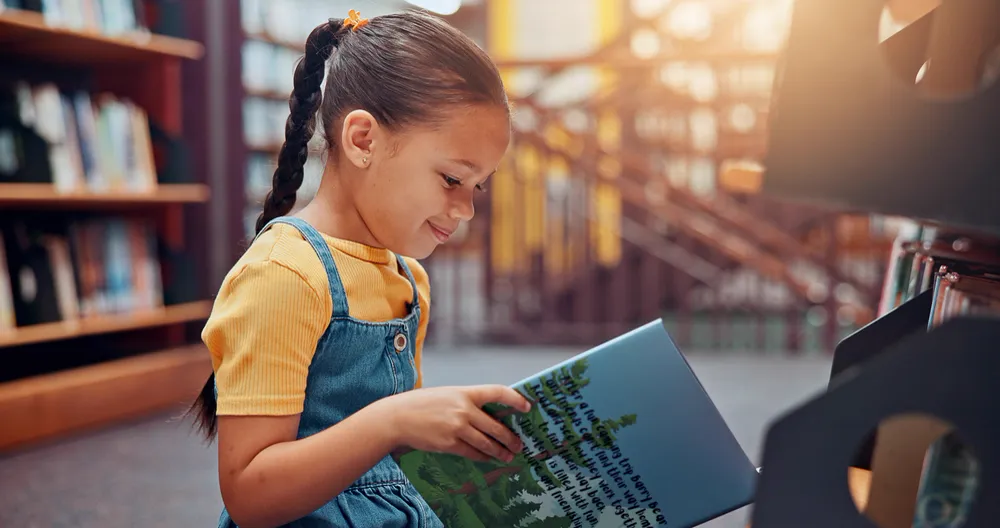
Listening to your child read fluently can feel like a major academic victory. They sound out difficult words, observe punctuation, and read with expression. But a frustrating pattern often emerges when they finish a chapter. You ask them what happened, and they look at you blankly. They can read the words, but the meaning slips away.
Some children naturally create a movie in their minds as they read. They see the characters, feel the atmosphere, and watch the action unfold. Other children simply see words on a page. When a child only processes text as symbols and sounds, they miss the deeper meaning of the story. It can be incredibly hard to know exactly what is happening inside a young reader's mind.
Understanding whether your child makes these mental images is a critical step in supporting their education. Comprehension is deeply tied to visualization. When you know what to look for, you can take a diagnostic approach to their reading habits. Identifying the root cause of their struggles allows you to find effective solutions, such as proven [reading comprehension programs for elementary students] that focus on building this foundational skill.

Why Visualization Matters for Reading Comprehension
Reading is much more than decoding letters. True reading requires the brain to process words and translate them into ideas. Visualization acts as the bridge between sounding out words and actually understanding them.
Visualization Helps Students Understand
When kids visualize while reading, they transform abstract words into concrete mental pictures. If a sentence describes a large, dusty barn with a red roof, visualizing allows the child to "see" that barn. This mental image anchors the words to something real and recognizable. Without that picture, the sentence is just a collection of random facts that quickly fade.
Mental Images Support Memory
Our brains are highly visual. We remember pictures far better than we remember isolated words or sounds. When a student creates mental images while reading, they are actively building a memory of the story. Later, when they need to recall what happened, they simply look back at the pictures they stored in their mind. This is why children who visualize rarely struggle to remember key plot points.
Comprehension Becomes Easier
Connecting ideas takes effort if you are only relying on verbal memory. Visualization organizes information automatically. A child who pictures a story can easily see how one event leads to the next. The mental movie keeps everything in order. This makes the overall process of reading comprehension feel smooth and natural, rather than like a heavy cognitive chore.
What It Means for a Child to Visualize While Reading
You might wonder what it actually means to visualize text. It is a specific cognitive process that happens continuously as a strong reader moves through a book.
Creating Mental Pictures
At its core, visualization means generating an internal picture based on external language. If a child reads about a dog chasing a ball, their brain briefly sketches out that action. The picture might not be perfectly detailed, but it contains enough visual data to represent the concept.
Imagining Characters and Settings
Strong readers use the author's descriptive words to build complete worlds. They assign faces, clothing, and voices to characters. They map out the settings, understanding where a house sits on a street or how a magical forest looks in the moonlight. This level of visualization pulls the reader into the story, making them feel like a participant rather than an observer.
Connecting Words to Meaning
Words are essentially codes. Visualization is the act of deciphering that code into meaning. When a child reads the word "exhausted," a visualizing reader might picture a character slumping into a chair with heavy eyes. They connect the vocabulary word directly to a visual representation of the concept, solidifying their understanding of the text.
Signs Your Child Is Visualizing While Reading
Parents can watch for specific behaviors that indicate strong visualization reading comprehension signs. A child who creates mental images will naturally display certain habits during and after their reading sessions.
Can Describe What They Read
A clear sign your child is visualizing reading is their ability to describe scenes in their own words. They will not just repeat the exact sentences from the book. Instead, they will use descriptive language to tell you what things looked like, sounded like, or felt like, pulling from the mental images they created.
Remembers Details
Children who build a mental movie tend to remember small, specific details. They might recall the color of a character's jacket or the specific food someone ate for breakfast. These details stick with them because they painted a complete picture in their mind, rather than trying to memorize a list of facts.
Answers Questions Easily
When you ask a visualizing reader a question about the story, they usually answer quickly and confidently. They do not have to strain to remember the words. They simply consult the mental pictures they stored away. If you ask why a character was hiding, they can "see" the scary event that caused the character to run away.
Retells Stories Clearly
Story retelling is a complex task that requires holding events in the correct sequence. A child who visualizes can retell a story clearly from beginning to end. Their mental images act as a storyboard. They just describe the first picture, move to the second picture, and continue until the story is finished.
Understands Without Rereading
If your child reads a page once and grasps the main idea, they are likely visualizing. The mental images lock the information in immediately. They do not need to read the same paragraph three times to figure out what the author is trying to say.
Signs Your Child May Not Be Visualizing
It is equally important to recognize the signs of a child not visualizing reading. These red flags often look like general attention issues or a lack of focus, but they actually point to a missing foundational skill.
Reads But Cannot Explain
The most common diagnostic sign is a child who reads aloud beautifully but cannot explain the story. They read but are not visualizing. Their brain is entirely focused on the mechanics of decoding the letters, leaving no cognitive energy to translate those words into meaningful images.
Forgets What They Read
Does your child read a chapter at night and forget everything by the next morning? This indicates they are not storing mental pictures. Words processed only as sounds fade quickly from short-term memory. Without visual anchors, the story simply disappears from their mind.
Needs Rereading
A child who struggles to picture the text will often read a page, realize they absorbed nothing, and have to start over. This constant need for rereading is frustrating and exhausting. It shows that the words are passing through their vision without ever taking root in their imagination.
Struggles With Comprehension Questions
If asking your child basic questions about a book leads to stress or tears, visualization is likely missing. They might randomly guess answers or flip frantically through the pages hoping to spot a familiar word. They cannot rely on their memory because they never built a visual representation of the events.
Homework Takes Longer
Reading assignments that should take twenty minutes can stretch into hours. Because the child cannot easily remember or understand the text, every question requires a massive amount of effort. Homework becomes a nightly battle, draining the energy of both the student and the parent.
Simple Ways to Check If Your Child Is Visualizing
You do not need an extensive assessment to start checking visualization reading comprehension. You can use casual conversations to gauge how your child processes information.
Ask Them to Describe the Scene
Pause your child while they are reading and ask them to describe the current scene. Prompt them to tell you what they "see" in their mind. If they give you vague answers or just read the sentence back to you, they might not be creating an image.
Ask About Details
Ask targeted questions about visual elements that were implied but not overly explained. If the book mentions a messy room, ask them what items they think are on the floor. A child who visualizes will easily populate the room with imaginary details like toys, clothes, or books.
Have Them Retell in Their Own Words
After they finish a short story, ask them to tell you about it as if you had never read it. Listen closely to their vocabulary. Are they using their own descriptive words to explain the events, or are they struggling to remember isolated phrases from the text?
Ask What They Picture
Be direct. Ask, "What do you picture in your head when you read this part?" Some children will excitedly describe their mental movie. Others might look confused and admit they only see the black letters on the white page. This honest conversation is often the most revealing diagnostic tool.
Why Some Students Don’t Visualize Automatically
It is a common misconception that reading comprehension happens naturally once a child learns to decode. For many bright, capable students, this is simply not the case.
Visualization Is Not Always Natural
We often assume all kids visualize when reading. The truth is, brain wiring differs from child to child. Just as some children naturally have great hand-eye coordination and others need practice, some children automatically generate mental imagery while others do not. It is not a sign of low intelligence; it is simply a different way of processing information.
Students May Never Be Taught
Schools spend years teaching children the rules of phonics, spelling, and grammar. However, the internal cognitive process of making mental images is rarely taught directly. If a child does not naturally visualize, and no one explicitly shows them how, they will continue to read without picturing the text. Learn more about [What Is Visualization in Reading] to understand this instructional gap.
Comprehension Becomes Difficult
When visualization is absent, comprehension remains consistently difficult. The child hits a ceiling in their reading development. They can handle simple picture books where the images are provided, but as they move into chapter books with dense text, their lack of internal imagery causes their comprehension to collapse.
How Visualization Improves Reading Comprehension
When a child learns how to visualize, the transformation in their academic life is profound. The shift from words to pictures changes everything about how they interact with text.
Students Understand More
Does visualization help comprehension? Absolutely. By creating mental images, students finally grasp the overarching concepts of a story. They understand the relationships between characters, the layout of the setting, and the progression of the plot. The text finally makes logical sense.
Students Remember More
Because they are storing pictures instead of words, their retention skyrockets. They can recall details for book reports, participate in class discussions confidently, and connect current reading to chapters they read days or weeks ago.
Students Retell Easily
With a mental movie to rely on, retelling becomes a simple act of describing what they see. They sequence events correctly and include relevant details without relying on heavy prompting from parents or teachers.
Students Work More Independently
Once visualization becomes a habit, students no longer need constant support to get through reading assignments. They can read a passage, understand it the first time, and answer the questions on their own. This independence builds incredible academic confidence.
Teaching Students to Visualize While Reading
If your child is not visualizing, the good news is that this is a highly teachable skill. It requires specific, structured practice, but the process is gentle and highly effective.
Step-by-Step Skill Development
You cannot simply tell a child to "picture the story." If they don't know how, this instruction is frustrating. The process must start small. You begin by having them visualize a single object, then a single sentence, then a paragraph, and eventually a whole page.
Short Guided Practice
Practice should be brief and consistent. You might read a descriptive sentence aloud and ask your child to verbalize what they picture. By practicing with spoken language first, you remove the burden of decoding, allowing their brain to focus entirely on building the image.
Building Consistency
The goal is to make visualization automatic. Over time, through guided questioning and deliberate practice, the child's brain learns to generate images the moment they hear or read language. What starts as a conscious effort eventually becomes an effortless background process.

Reading Comprehension Programs That Teach Visualization
For parents looking for structured support, specific [reading comprehension programs for elementary students] are designed to teach this exact process. Programs developed by educational therapists break visualization down into manageable, easy-to-follow steps.
Look for [visualization reading comprehension programs] that prioritize cognitive foundations over simple test-taking strategies. The most effective [structured reading comprehension programs] teach the brain how to process language, providing the child with a permanent tool that will support them through elementary school, high school, and beyond.
When Visualization Support May Help
Recognizing the need for targeted support is the first step toward relieving your child's academic frustration. If you notice persistent patterns, it may be time to seek a program that explicitly teaches visualization.
Students Who Read Fluently but Don’t Understand
If your child's decoding skills are at or above grade level, but their comprehension test scores are low, visualization is usually the missing link. Support can help them connect their strong phonics skills to actual meaning.
Students Who Forget What They Read
If your child cannot remember what they read yesterday, or even a few minutes ago, their memory needs the support of mental imagery. Teaching them to create pictures will give their brain a reliable way to store and retrieve information.
Students Who Struggle With Homework
When reading assignments cause daily anxiety, tears, or avoidance, intervention is necessary. Providing your child with the ability to visualize will lower their cognitive load, making homework a manageable and independent task.
FAQ About Visualization and Reading
How do I know if my child is visualizing while reading?
You can tell if your child is visualizing if they can easily describe scenes, remember small details, answer questions confidently, and retell a story in the correct order using their own descriptive words.
Do all kids visualize when reading?
No, not all children visualize automatically. While some naturally create mental movies, many children only process the words as sounds and symbols, requiring direct instruction to learn how to visualize.
What happens if a child does not visualize?
A child who does not visualize will often struggle with reading comprehension. They may read fluently but fail to remember what they read, struggle to answer questions, and find reading to be a tiring, frustrating chore.
How can I teach my child to visualize?
You can start by having them practice visualizing small things, like a single sentence or a familiar object. Ask them specific questions about what they picture in their mind, gradually building up to paragraphs and short stories.
Does visualization improve reading comprehension?
Yes. Visualization is the foundational skill behind reading comprehension. It allows the brain to connect abstract words to concrete meaning, making it easier to understand, organize, and remember information.
At what age should kids visualize while reading?
Children can begin practicing simple visualization skills as soon as they start listening to stories, often in preschool or kindergarten. By the time they are reading independently in early elementary school, visualization should actively support their comprehension.
Taking the Next Step for Your Child's Reading
Figuring out how to test visualization reading skills at home is a powerful way to understand your child's learning profile. Once you recognize that your child reads but is not visualizing, you can shift your focus from generic tutoring to targeted cognitive support.
You do not have to navigate this challenge alone. By identifying the root cause of their reading struggles, you can guide them toward tools that genuinely change how their brain processes language. If you are ready to help your child turn words into pictures, explore our [Read-A-Rific program page] to learn how structured visualization practice can build lifelong reading comprehension.