
Child Cannot Retell What They Read: What It Means for Reading Comprehension
Janel Nansenn · Jun 3
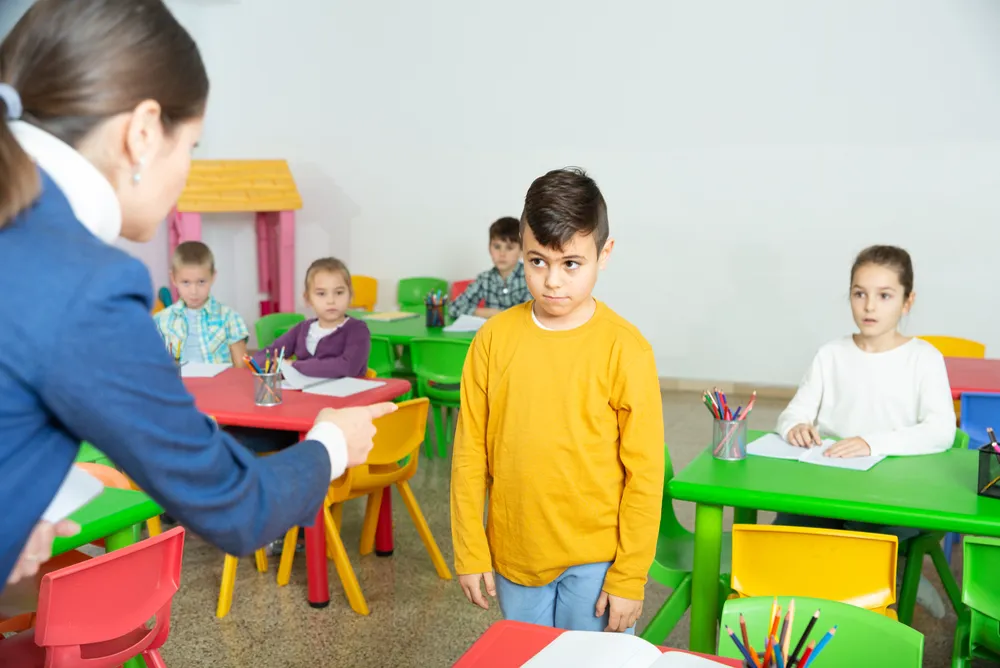
You sit down with your child to listen to them read. They sound out the words beautifully, moving through a passage with confidence and ease. But when they finish, you ask a simple question: "Can you tell me what happened?" They pause, look at the page, and give you only a few vague details. As a parent, you might feel unsure of why this happens. If they read the words so well, why can't they explain the story?
This is a very common comprehension issue. When a child struggles to retell a story, it often points to a disconnect between decoding words and processing meaning. Reading is not just about saying words out loud; it is about creating a mental experience of the text. When that experience is missing, recalling the events becomes incredibly difficult. Understanding why a student cannot retell a story is the first step in finding the right support. Exploring reading comprehension programs for elementary students can help you discover effective ways to build the foundational skills necessary for lasting reading success.
Why Retelling Is an Important Reading Comprehension Skill
Retelling a story might seem like a simple exercise, but it actually requires a complex set of cognitive skills. When a child is asked to retell what they read, they are being asked to demonstrate their grasp of the material.
Retelling Shows Understanding
Being able to explain a story in your own words is a clear indicator of understanding. It shows that the reader has absorbed the meaning behind the sentences, rather than just processing the text on a surface level. Without this understanding, retelling difficulties reading comprehension issues begin to surface.
Retelling Requires Memory
To retell a story, a child must hold onto the information they just read. They need to remember characters, settings, and events. Working memory plays a significant role here, as the brain must store details while continuing to read new information.
Retelling Connects Ideas
A successful retelling requires a child to link different parts of the story together. They must understand how the beginning connects to the middle, and how those events lead to the ending. This ability to connect ideas is essential for strong reading comprehension.
Signs Your Child Struggles With Retelling
It is usually quite noticeable when a child cannot retell what they read. You might observe specific patterns in how they respond when asked to summarize a book or passage.
Gives Very Short Responses
One of the most common signs is giving overly brief answers. A child might summarize an entire chapter with a single sentence, like "The boy went to the store," missing all the nuance and supporting events.
Leaves Out Important Details
Sometimes, a child will mention minor, unimportant parts of the story but completely miss the main plot points. They might remember the color of a dog's collar but forget that the dog ran away.
Retells Events Out of Order
Sequencing is a common hurdle. A child might start explaining the ending, then jump back to the beginning, and forget the middle entirely. This shows a struggle with organizing the story's timeline.
Says “I Don’t Remember”
Often, a child simply says, "I don't remember," or gives a blank stare. This usually means the information never formed a cohesive picture in their mind in the first place.
Needs to Reread Before Retelling
If your child constantly needs to look back at the text to answer basic questions or summarize, it indicates a weak memory for text. While looking back is a good strategy for specific questions, they should not need to reread the entire passage just to give a basic summary.
Why Some Children Cannot Retell What They Read
Parents often wonder why their bright, capable child forgets the story after reading. Usually, this happens because the brain is handling the text in an inefficient way.
Reading Without Building Meaning
Many children learn to read by focusing heavily on phonics and decoding. While sounding out words is crucial, some students never learn to transition from reading words to reading for meaning. They read "word by word," completely missing the bigger picture.
Weak Memory for Text
When a child cannot summarize a story, it is often tied to memory. If the brain is only processing abstract words rather than concrete concepts, the information quickly fades from memory as soon as the book is closed.
Difficulty Organizing Information
Even if a child remembers some details, they might not know how to organize them. Reading comprehension retelling skills rely on the brain's ability to categorize information into a logical beginning, middle, and end.
What Retelling Requires From the Brain
To understand the solution, it helps to look at what the brain is actually trying to do when summarizing a story. If a child cannot explain a story after reading, one of these steps is likely breaking down.
Understanding Main Ideas
The brain must sift through all the words to find the central message. This means recognizing what the story is mostly about and filtering out the less important details.
Remembering Details
While the main idea is important, the brain also needs to hold onto the supporting details that make the story make sense. These details provide the "who, what, when, where, and why."
Sequencing Events
The brain acts like a filing cabinet, storing events in the order they happened. If the chronological order is lost, the retelling will be confusing and disjointed.
The Skill That Helps Students Retell What They Read
There is a foundational skill that supports all of these brain functions. When a child struggles to retell a story, they are often missing this crucial element. It is the ability to create imagery from language.
Visualization While Reading
Visualization is the process of creating mental pictures as you read. It is like playing a movie in your mind. When a child visualizes, the words on the page turn into vibrant, living concepts.
Mental Images Support Recall
It is much easier to remember a picture than it is to remember a string of abstract words. When a student visualizes, they are creating a mental anchor for the story. This is why visualization is so effective for memory.
Visualization Helps Organize Information
Mental images naturally organize themselves. If you picture a character walking into a house, talking to a friend, and then leaving, that sequence of mental pictures provides an easy-to-follow timeline for retelling.
How Visualization Improves Retelling
When students learn to visualize, you will see a dramatic shift in how they talk about what they read. The process of retelling becomes much more natural.
Students Picture the Story
Instead of trying to memorize words, the student simply watches their mental movie. The story becomes an experience they are having, rather than a task they are completing.
Students Recall Events
When asked to retell, the student just describes the pictures they have in their mind. This leads to much better recall, as the mental images hold the events securely in their memory.
Students Explain in Order
Because mental movies happen chronologically, a student who visualizes can easily explain events in the correct order. They just follow the sequence of their mental pictures.
Students Include Details
Mental images are rich with detail. A student who visualizes won't just say "there was a house"; they will describe the color of the house, the shape of the windows, and the setting around it, leading to a much richer retelling.
Types of Retelling Difficulties
Every child is different, and retelling reading comprehension problems can show up in a variety of ways. Paying attention to what parts of the story your child misses can provide helpful clues.
Cannot Remember Beginning
Some children focus so hard on finishing the passage that the beginning of the story is completely erased from their memory by the time they reach the end.
Cannot Recall Middle
The middle of a story is often the longest and most complex part. Children might remember how the story started and how it resolved, but forget the main actions that took place in the middle.
Cannot Explain Ending
If a child loses focus or struggles with reading stamina, they might not process the ending. They might read the final words without absorbing the resolution of the story.
Difficulty Sequencing Events
As mentioned earlier, jumbling the order of events is a very common type of retelling difficulty. The pieces of the story are there, but the child does not know how they fit together.
How Retelling Improves With Stronger Comprehension
When a child develops strong visualization skills, their comprehension naturally deepens. As a result, you will notice significant changes in their ability to summarize.
More Complete Responses
Short, one-sentence summaries are replaced by thorough explanations. The child can provide a complete overview of the text because their mental imagery provides a wealth of information to draw from.
Better Organization
The child will begin to use transitional words like "first," "then," and "finally." Their retelling will have a logical flow that is easy for a listener to follow.
Improved Recall
The days of saying "I don't remember" become less frequent. The child will be able to recall both main ideas and supporting details with much greater ease.
Greater Confidence
Perhaps the most rewarding change is the increase in confidence. When a child knows they understand the story, they are eager to talk about it. Reading becomes an enjoyable activity rather than a frustrating chore.
Ways to Support Retelling at Home
There are several gentle, supportive ways you can help your child practice retelling at home without making it feel like a test.
Ask What They Picture
Instead of asking, "What happened?", try asking, "What did you picture in your mind when you read that page?" This simple question encourages them to focus on visualization.
Discuss Story Details
Talk about the characters and the settings. Ask your child to describe the character's face, or the room they were sitting in. This helps them realize that reading is about seeing details in their mind.
Encourage Sequencing
If they jumble the order, gently guide them back. You can say, "I remember that happening, but what happened right before that?" This helps them organize their mental timeline.
Break Reading Into Sections
If a whole chapter is too much to remember, have your child stop after every few paragraphs to retell what they just read. This prevents them from becoming overwhelmed by too much text.
Reading Comprehension Programs That Improve Retelling
When simple home strategies are not enough, formal instruction can make a tremendous difference. Many students need explicitly taught steps to develop visualization skills. Enrolling your child in structured reading comprehension programs can provide the targeted support they need.
These programs focus on the root cause of the issue rather than just practicing the symptom. When looking for reading comprehension help elementary students need, seek out approaches that emphasize visualization as a foundational skill. Quality reading comprehension programs for elementary students will teach your child how to create mental images, hold onto them, and use them to retell stories clearly and confidently.
When Retelling Difficulties Signal a Comprehension Gap
It is important to recognize when a retelling issue is a sign of a deeper comprehension gap that requires attention.
Students Who Read Fluently
As we discussed, decoding skills do not guarantee comprehension. If your child is a fast, accurate reader who cannot explain the text, they likely have a hidden comprehension gap.
Students Who Forget What They Read
A child who forgets a story minutes after reading it is not processing the language conceptually. They need help building the mental imagery that makes language stick.
Students Who Struggle With Questions
If your child struggles with retelling, they will likely struggle with other comprehension tasks. You might find that your Child Reads Well But Cannot Answer Questions. Retelling and answering questions both rely on the same foundation of visualization and memory.
FAQ Section
Why can't my child retell what they read?
Often, a child cannot retell a story because they are reading the words without creating a mental picture of the meaning. Without mental images, the brain struggles to hold onto the information.
Is retelling important for reading comprehension?
Yes. Retelling is a crucial indicator of reading comprehension. It shows that a child has understood, remembered, and organized the information in the text.
Why does my child forget the story after reading?
Children often forget the story because they are relying on rote memory of the words rather than conceptual memory. When they learn to visualize the story, their ability to remember it improves dramatically.
How can I help my child retell stories?
You can help by asking them to describe what they picture in their mind while reading. Breaking the text into smaller, manageable sections and summarizing frequently can also build their skills.
Does visualization help retelling?
Visualization is the most effective tool for improving retelling. Creating mental images gives the brain a visual anchor, making it much easier to recall details and sequence events accurately.
What causes retelling difficulties?
Retelling difficulties are usually caused by an inability to visualize language, a weak memory for text, or difficulty organizing the chronological order of events.
By understanding the root causes of retelling difficulties, you can provide the calm, educational support your child needs. Visualization is a learnable skill, and with the right foundation, your child can become a confident reader who truly understands and remembers every story. Learn more by visiting our program page today.